Why is trust the real product in an off-plan sale?
Because the buyer commits money years before they receive anything. Until handover, the only proof they have is what the developer shows them and how the process is run. When that proof is clear and consistent, buyers move. When it isn't, they wait.
Every off-plan purchase carries the same three questions: Will the home look like this? Will it be delivered? Is my money safe? Visuals answer the first. The developer's track record and the legal structure answer the other two. A strong pre-sale works on all three at once.

How do markets protect off-plan buyers?
The most active off-plan markets have built trust into the law. Buyer payments are held in protected accounts and released only as construction advances, so the buyer's money follows the building, not the promise.
In Dubai, where off-plan represented 72% of residential transactions in Q3 2026 (Cavendish Maxwell, October 2026), Law No. 8 of 2007 requires developers to open a dedicated escrow account for every off-plan project. Funds are released in stages, once construction milestones are certified, under the oversight of the Dubai Land Department and RERA. (Engel & Völkers, escrow guide, 2025)
The rules differ by country, but the principle travels: buyers trust a process they can understand. Explaining how payments, milestones and guarantees work is part of the sale, not fine print.
How do visuals build trust, not just desire?
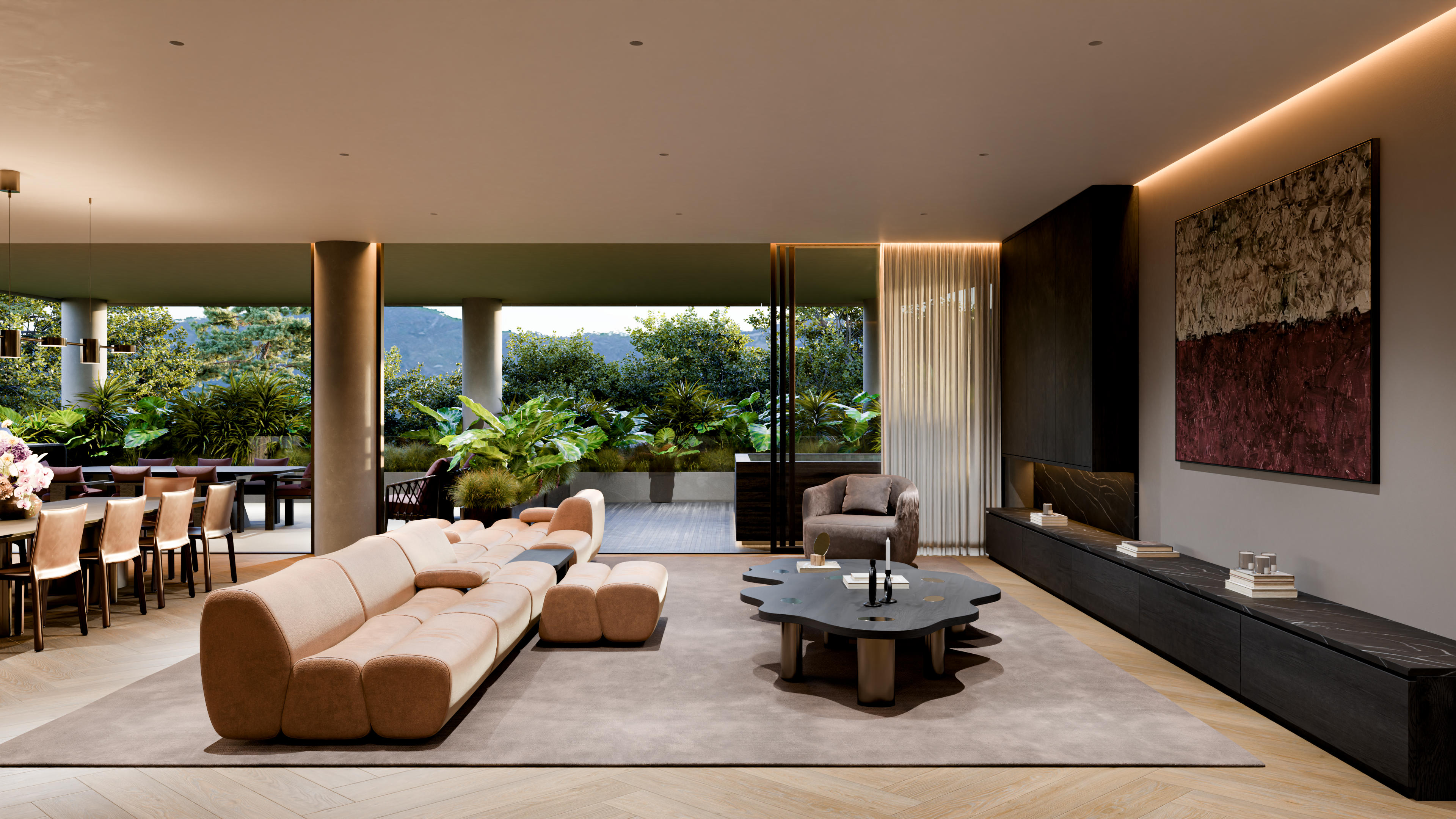
By being precise. A render that shows the real orientation, the real finishes and the real view from a specific unit answers questions a buyer would otherwise carry into the contract. Precision is what turns an attractive image into a credible one.
Buyers already lean on visuals when the home exists: in the US, 81% rate photos as very useful and 57% value floor plans. (NAR, 2025 Profile of Home Buyers and Sellers) Off-plan, those visuals are the evidence. That's why we recommend:
Real views: Render the view from the actual floor and orientation, not a generic skyline
Real finishes: Show the materials in the specification, with the same names the contract uses
Real layouts: Pair interiors with clear plans, ideally a 3D isometric plan for each typology
Real context: Show the street, the neighbourhood and the distances as they are
Why does consistency matter so much?
Because inconsistency is what makes buyers doubt. If the brochure, the website, the sales gallery and the contract show slightly different versions of the project, the buyer starts asking which one is true.
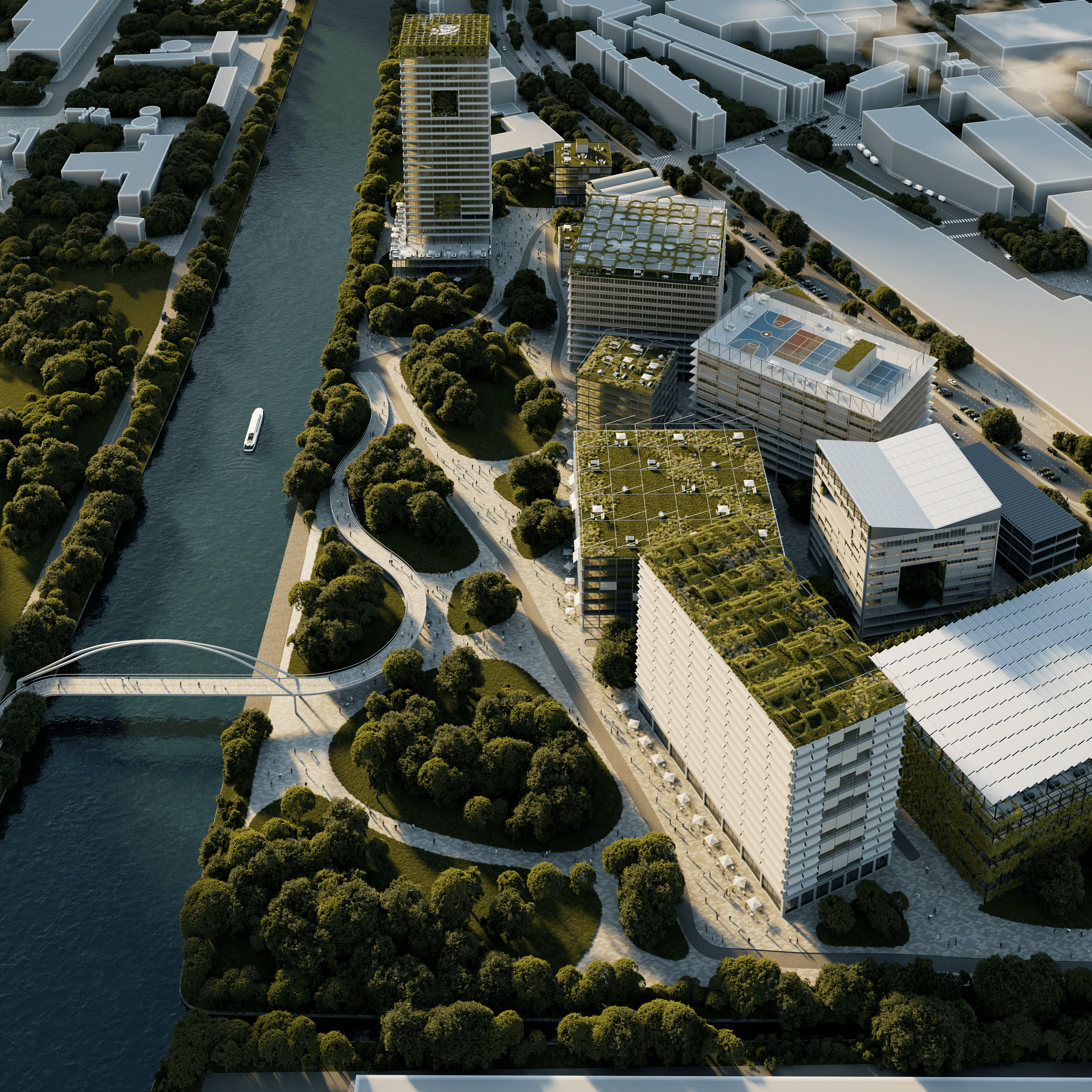
One visual language, from the first render to the last sales asset, removes that friction. It's also what we've seen on long projects like Park Seefeld, where the same visual system carried the project from design and permits to sales.
Can AI-enhanced images still be trusted?
Yes, as long as they stay true to what will be built. Technology can speed up and refine sales imagery, but every material, view and detail has to match the delivery. Exaggeration may close one sale and cost the project its credibility at handover.
Regulators are drawing the same line for existing homes. Since January 2026, California requires agents to disclose digitally altered listing photos and give buyers access to the original. (California AB 723, reported by Inman, January 2026) For off-plan, there is no original to compare against, which makes honesty in the image even more important.
What does a transparent sales process look like?
Clear, digital and the same for everyone. When a buyer can see availability, prices, plans and the purchase steps on their own, from anywhere, the process itself becomes a source of trust.
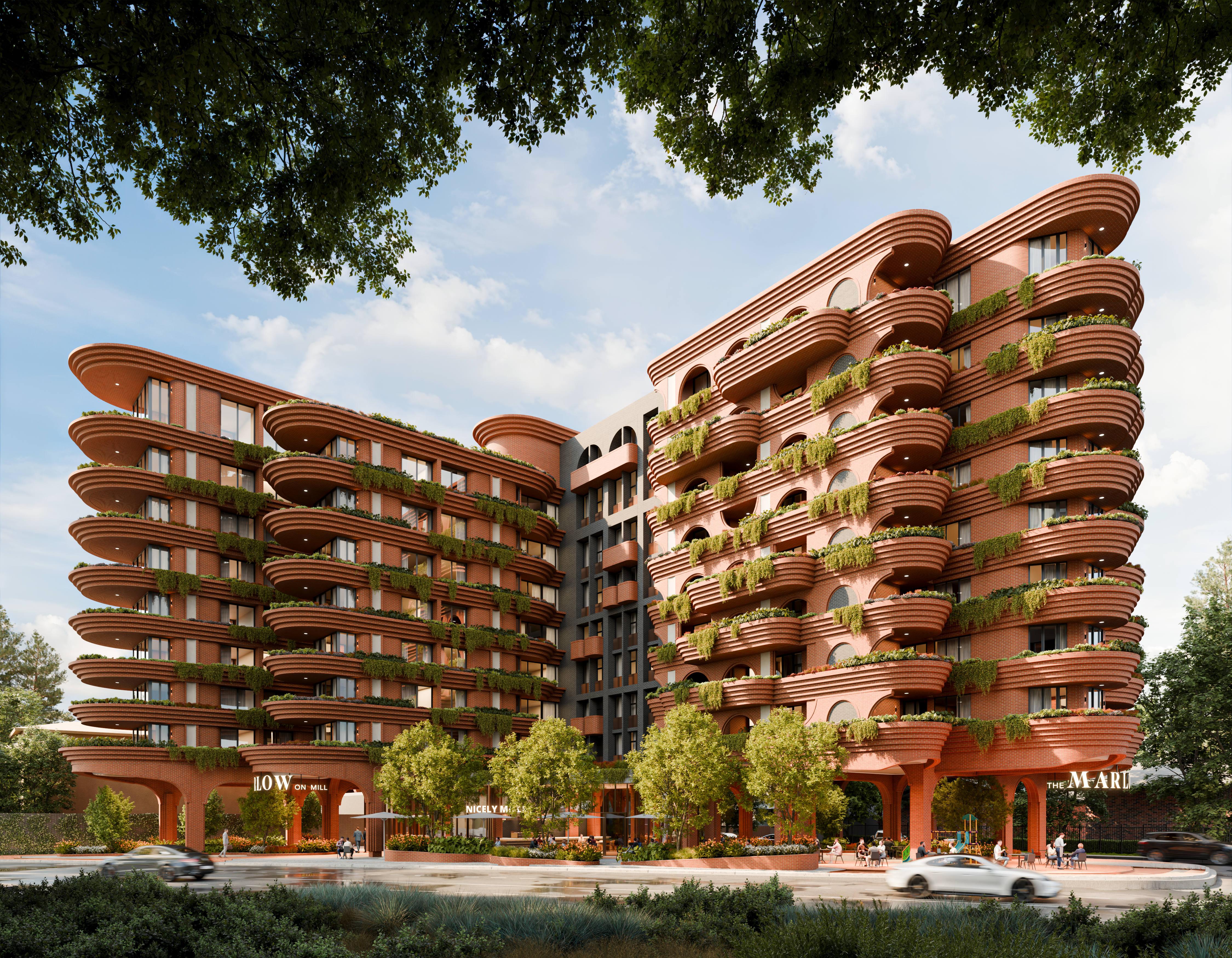
A recent example from Cape Town: at The Marlow on Mill in Newlands, the project's sales team reported 68 apartments sold within 10 minutes of launch, through a fully digital purchase process. As Shelly Keys, Western Cape area manager at Pam Golding Properties, put it: "The purchase process is fully digital, ensuring transparency and equal access." (Pam Golding Properties, September 2025) We created the visuals for the project, and we explain how in our case study.
A trust checklist before you launch
Before opening reservations, check that a buyer could answer these questions alone, from their phone, without calling anyone.
What will my specific unit look like, inside and out?
What exactly is included in the finishes?
What will I see from my windows?
How are my payments protected, and when are they due?
Who is building it, and what have they delivered before?
Preparing an off-plan launch?
77 is a full-stack visualization and PropTech studio for real estate. We create the renders, plans, films and digital showrooms that help buyers trust a home before it's built.
From the first render to the closed deal.
→ Start a project with 77
Sources
Cavendish Maxwell: Dubai residential market, Q3 2026 (October 2026). Dubai
Engel & Völkers: Escrow accounts in Dubai real estate (2025). Dubai, Law No. 8 of 2007
National Association of Realtors: 2025 Profile of Home Buyers and Sellers. United States
Inman: California's new listing photo law, AB 723 (January 2026). California
Pam Golding Properties, sales agency for the developer: The Marlow on Mill launch (September 2025). Cape Town, South Africa