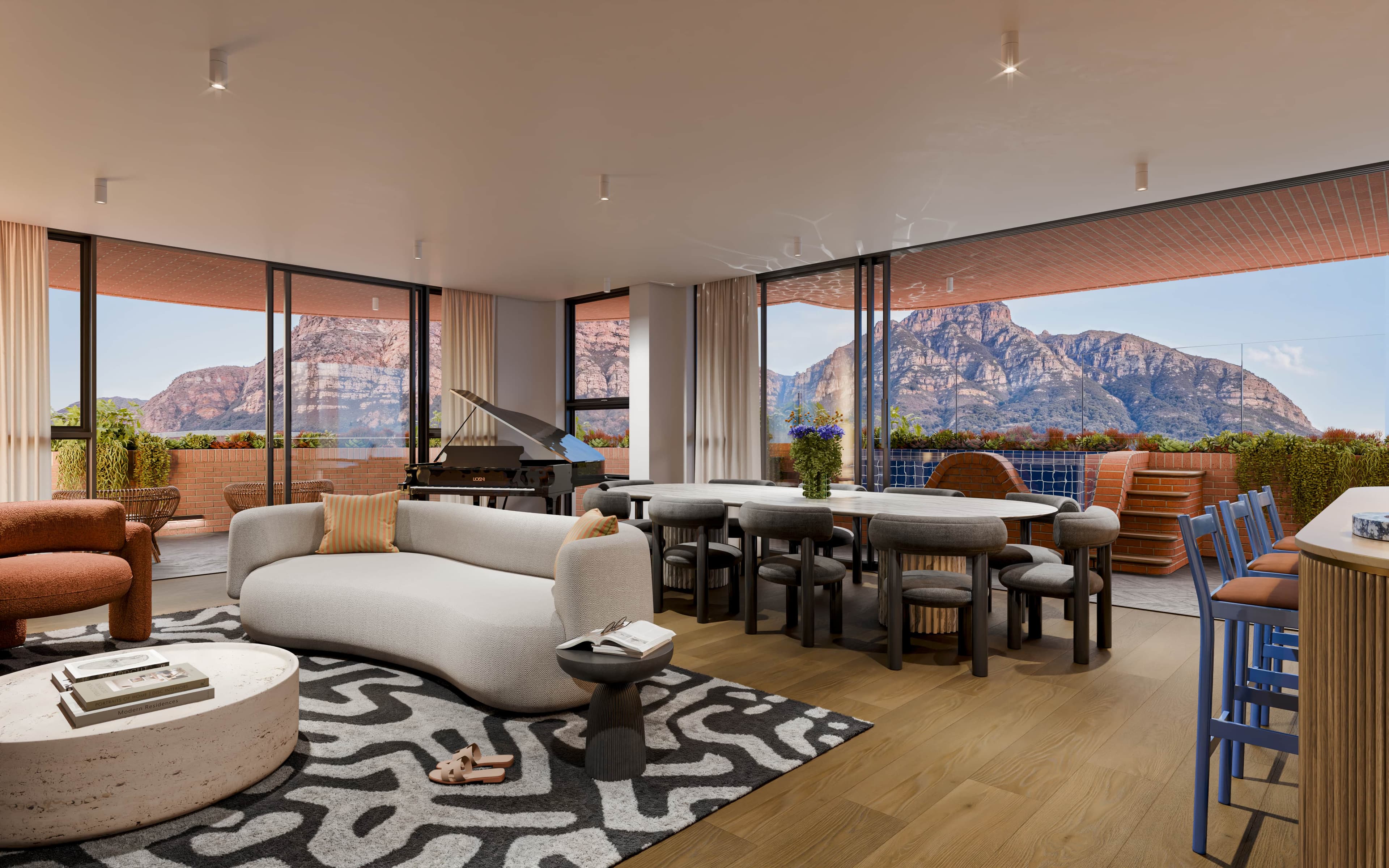
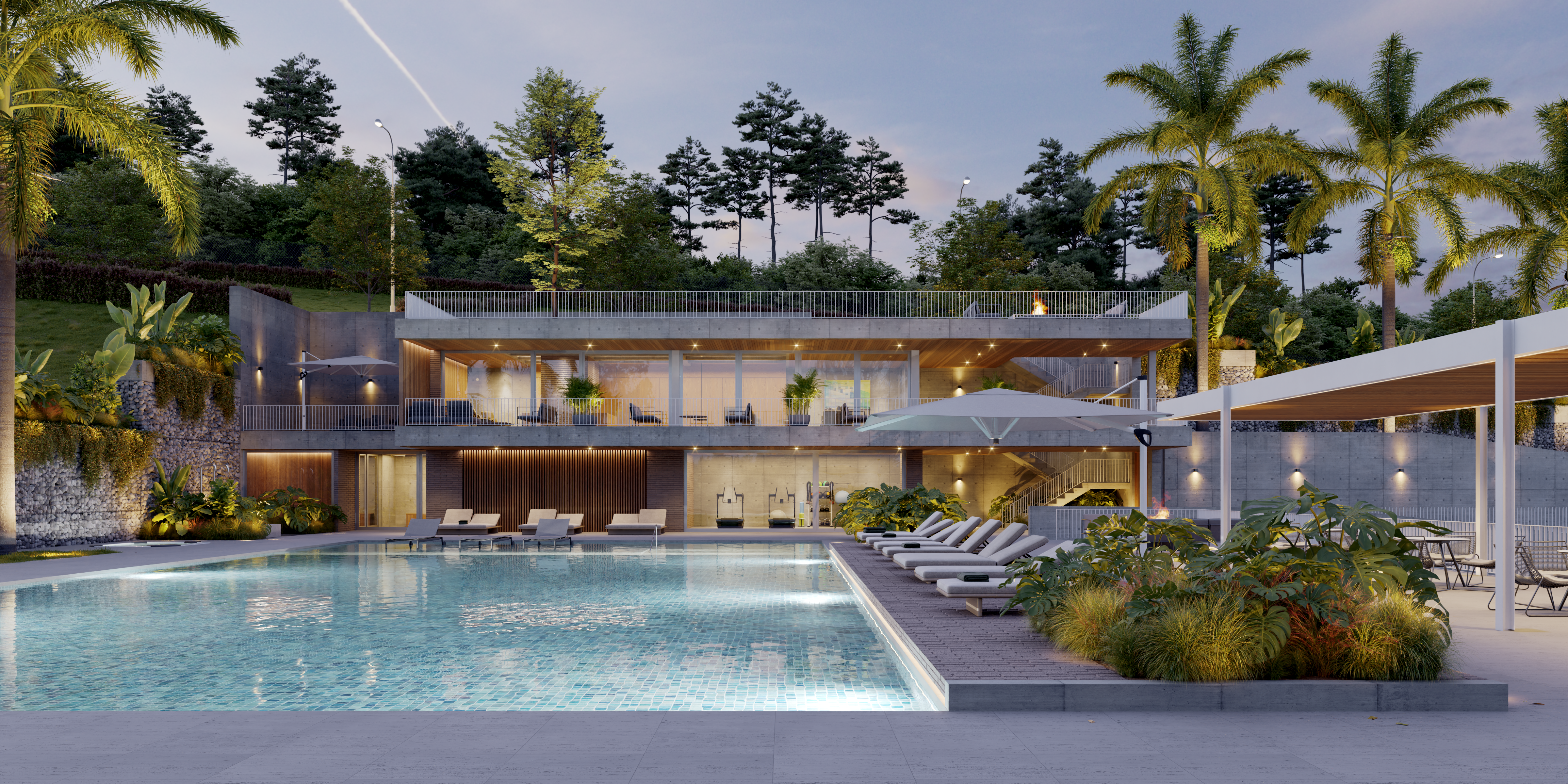
Why does off-plan speed matter so much to a developer?
Because off-plan sales don't just generate revenue. In many markets they unlock the financing, prove demand and de-risk the build. The faster a project reaches its presale target, the sooner it can break ground, and the less it pays to wait.
How strict that target is depends on the market. In Canada, banks typically require around 70% of condo units to be presold before approving construction financing. The national banking regulator, OSFI, doesn't set a mandatory threshold, but its guidance gives more favourable capital treatment to loans on projects above 50% presales. (The Globe and Mail via Connect CRE Canada, May 2026) In Dubai, off-plan is how most new homes are sold, even when the market cools: in Q3 2026 it accounted for 72% of residential transactions, while overall volumes fell 38% year on year. (Cavendish Maxwell, October 2026)
The rules change from country to country, but the logic is the same everywhere: every week a project spends below its presale target is a week of carrying costs, delayed financing and market risk.
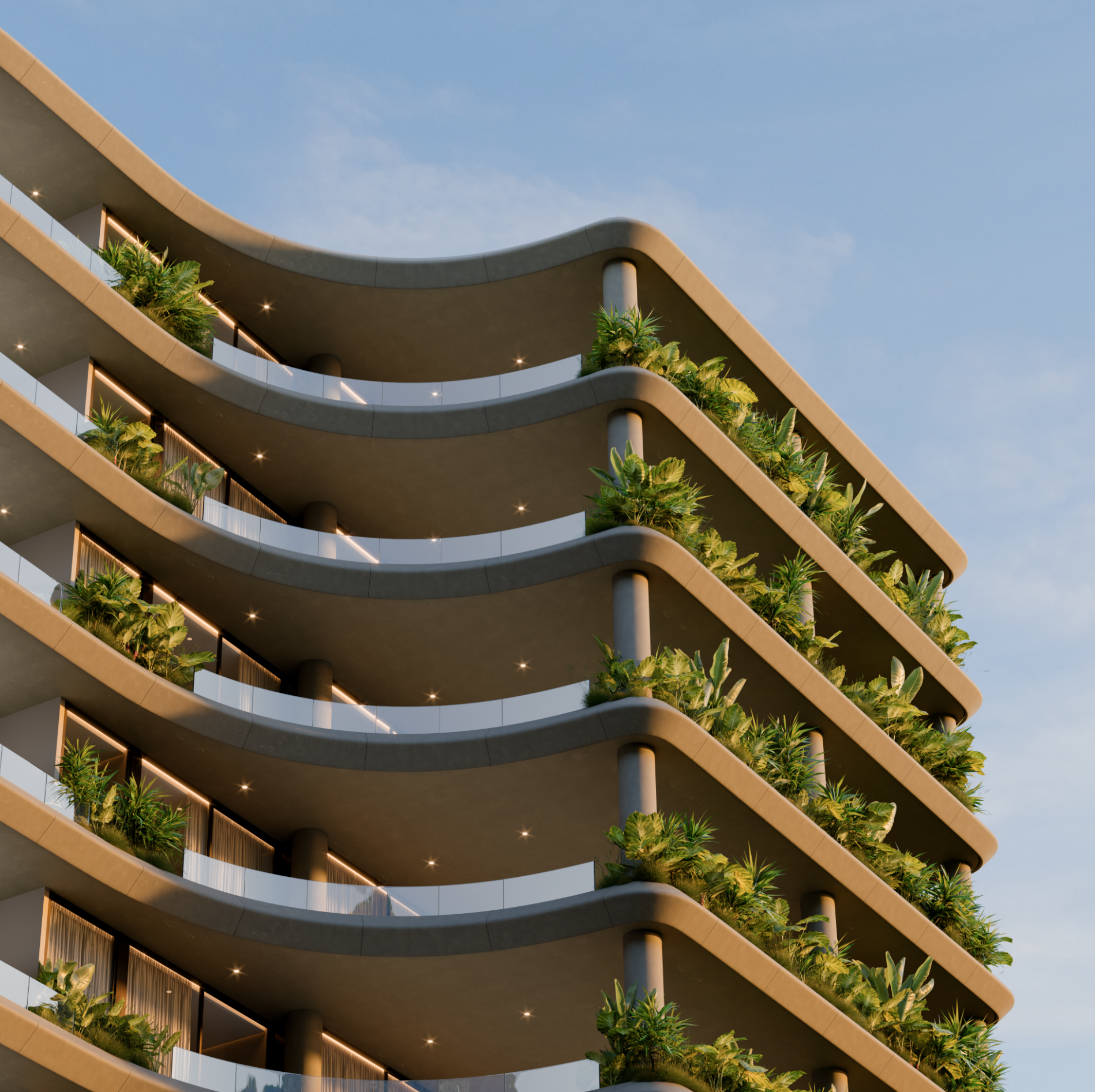
What does a buyer need before committing to a home that doesn't exist yet?
The same things any buyer needs, only harder to get: to see the home, to understand it, and to trust it. With a finished building, photos and a visit do that work. Off-plan, the visuals have to do all three on their own.
Look at what buyers rely on even when the home already exists. In the National Association of Realtors' 2025 Profile of Home Buyers and Sellers (US buyers, July 2024 to June 2025), 81% of buyers found photos very useful, 77% valued detailed property information and 57% valued floor plans. 52% found the home they bought online, and for 46% the first step was searching the internet. (NAR, 2025)
An off-plan project has no photos to offer. Its visuals stand in for the photos, the visit and the proof at the same time. That is why visualization in off-plan isn't a marketing extra: it is the product the buyer is evaluating.
01
Start the visuals before the permits, not after
Most developers commission visualization when the project is ready to launch. Starting at concept stage means the same visual assets serve design decisions, approvals and sales, so the project goes to market with content that is already mature and consistent.
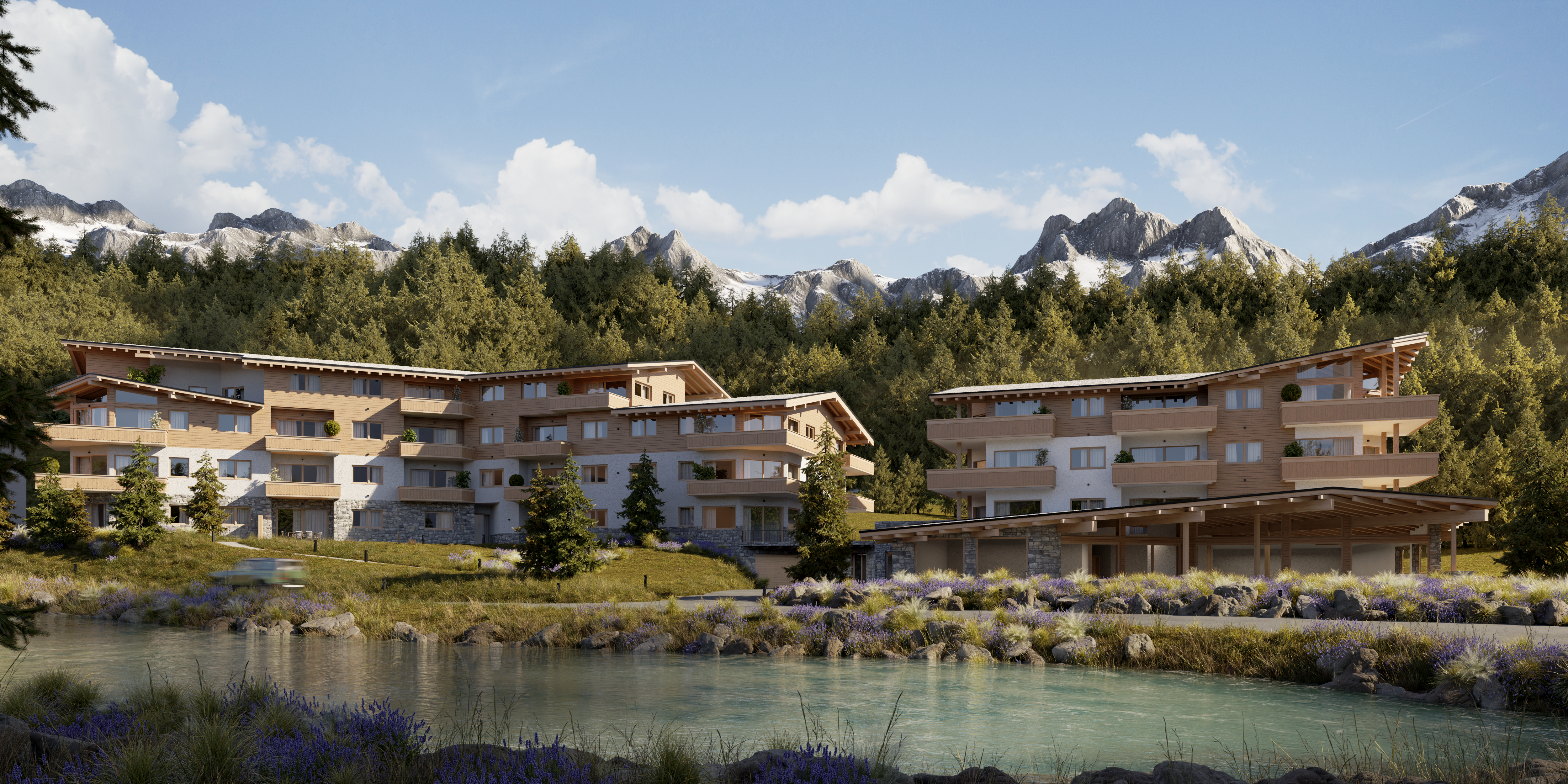
On Park Seefeld, a 135-residence alpine resort in Tyrol, Austria, 77 joined in 2021 at concept stage. The visuals first tested massing and atmosphere, then supported the permit process, kept the story consistent during construction, and became the sales content. Sales are still moving forward today, on the same visual system.
02
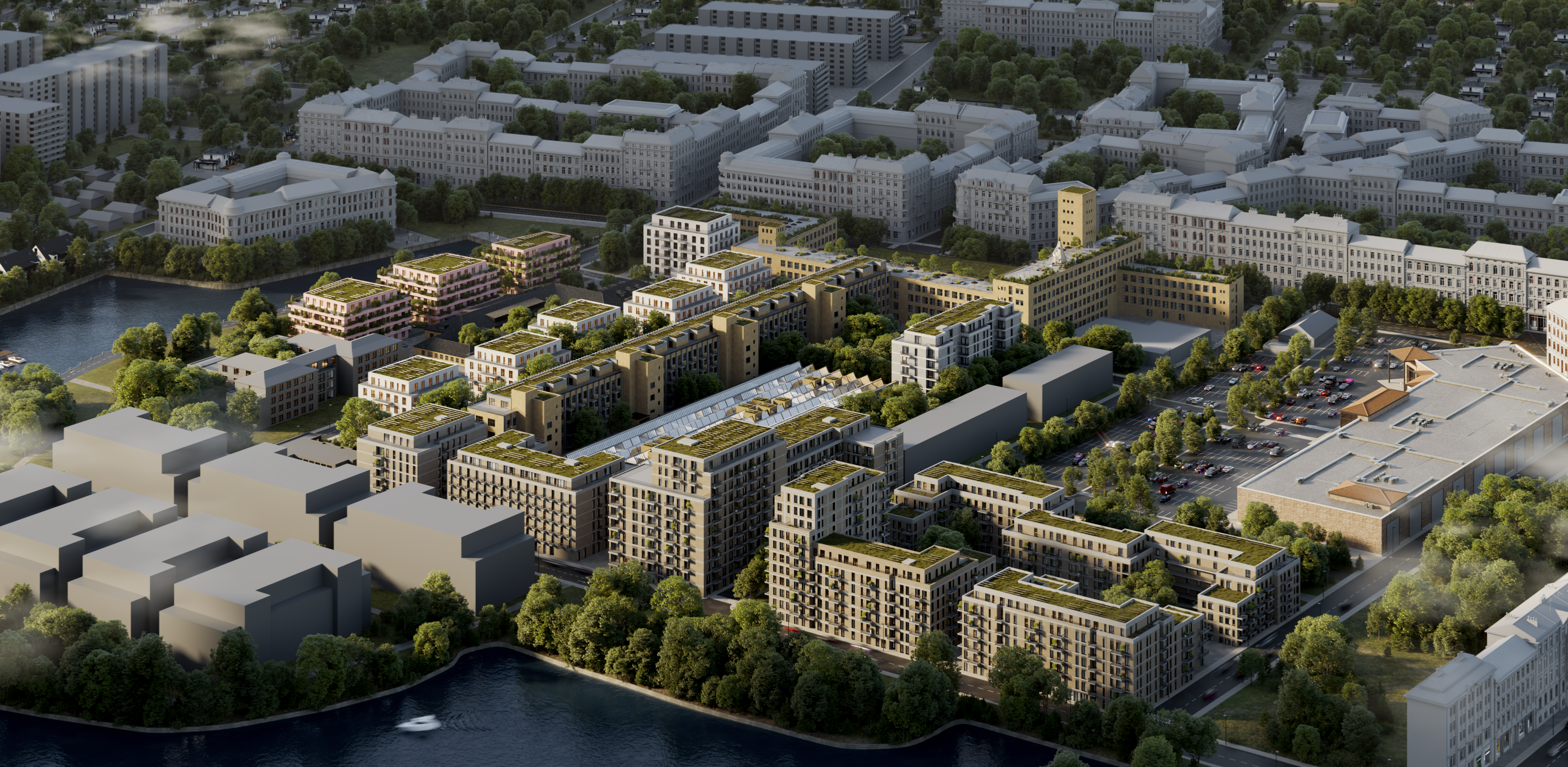
Keep one visual language from approval to launch
What the authorities approve should be what the buyer sees. One visual language that evolves with the project avoids contradictions between permit imagery, brochures and the sales gallery, and those contradictions are exactly what makes an off-plan buyer hesitate.
Consistency also saves money. Assets that evolve with the design are refined, not rebuilt, at every stage.
03
Sell the place, not just the building
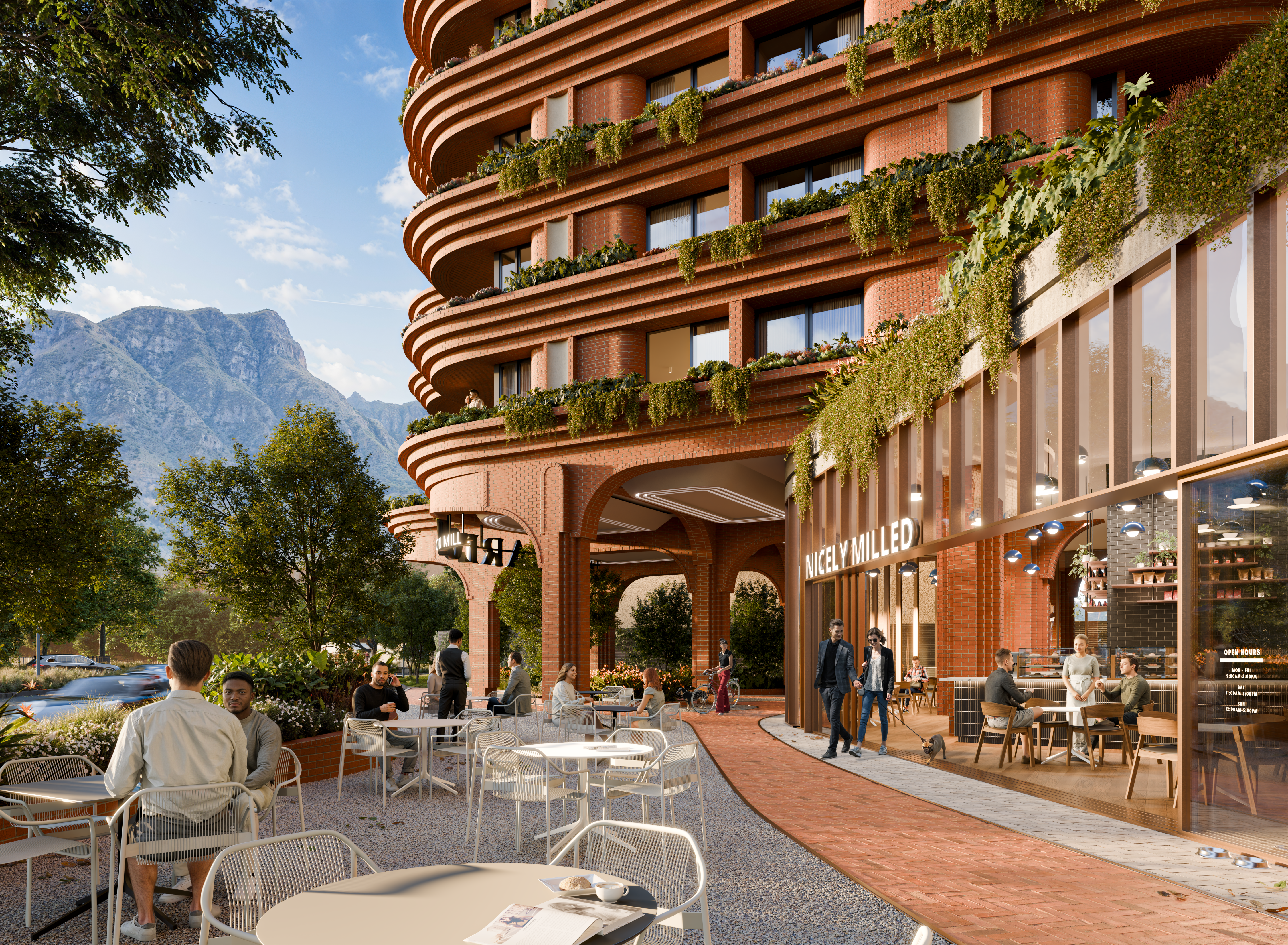
Off-plan buyers are buying a location and a way of living as much as square meters. Show the views, the light, the landscape and the neighbourhood the building sits in, because those are the things a render can prove before construction.
For a resort, that means forest, water and mountains in every frame. For an urban tower, it means the street, the skyline and what is within walking distance.
04
Show every typology as its own home
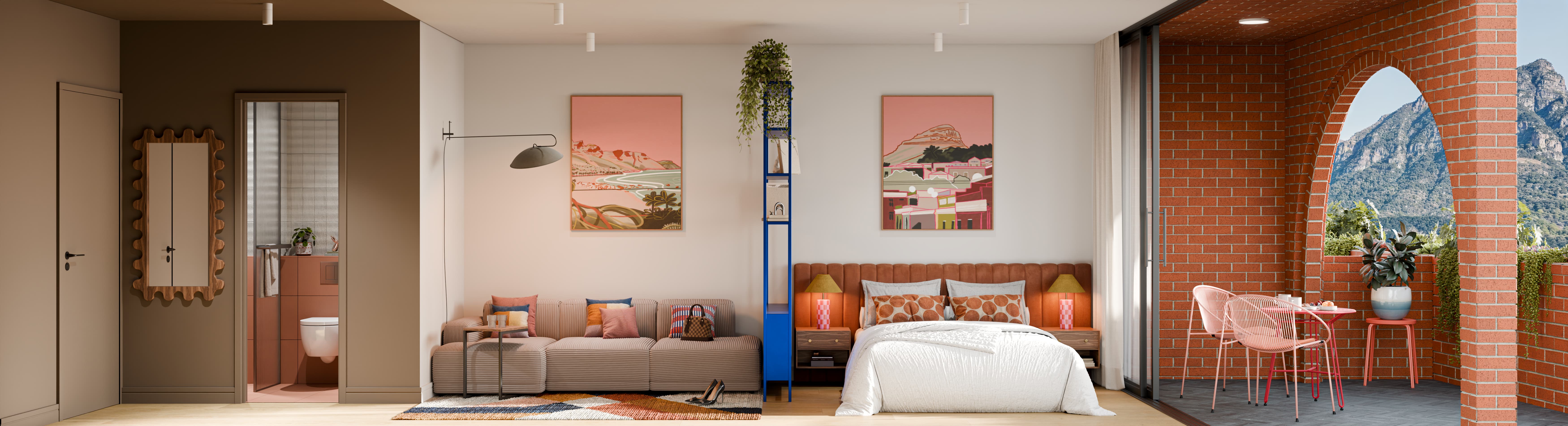
A buyer choosing a two-bedroom apartment doesn't want to see the penthouse. Tailor exteriors, interiors, views and floor plans to each unit type, so every buyer can see the specific home they are choosing.
Floor plans matter here: 57% of buyers in the NAR survey rated them very useful. Pair them with interiors rendered from the actual unit, with its real orientation and view.
05
Answer both decisions: lifestyle and investment
Many off-plan buyers are making two decisions at once: whether they want to live in the place, and whether it is a sound investment. Atmosphere answers the first. Clarity on finishes, delivery, payment and rental options answers the second.
We explored this split in Do Buyers Decide With Emotion or Logic?. Off-plan makes it sharper, because the investment side has no finished building to point to.
06
Bring the sales gallery online
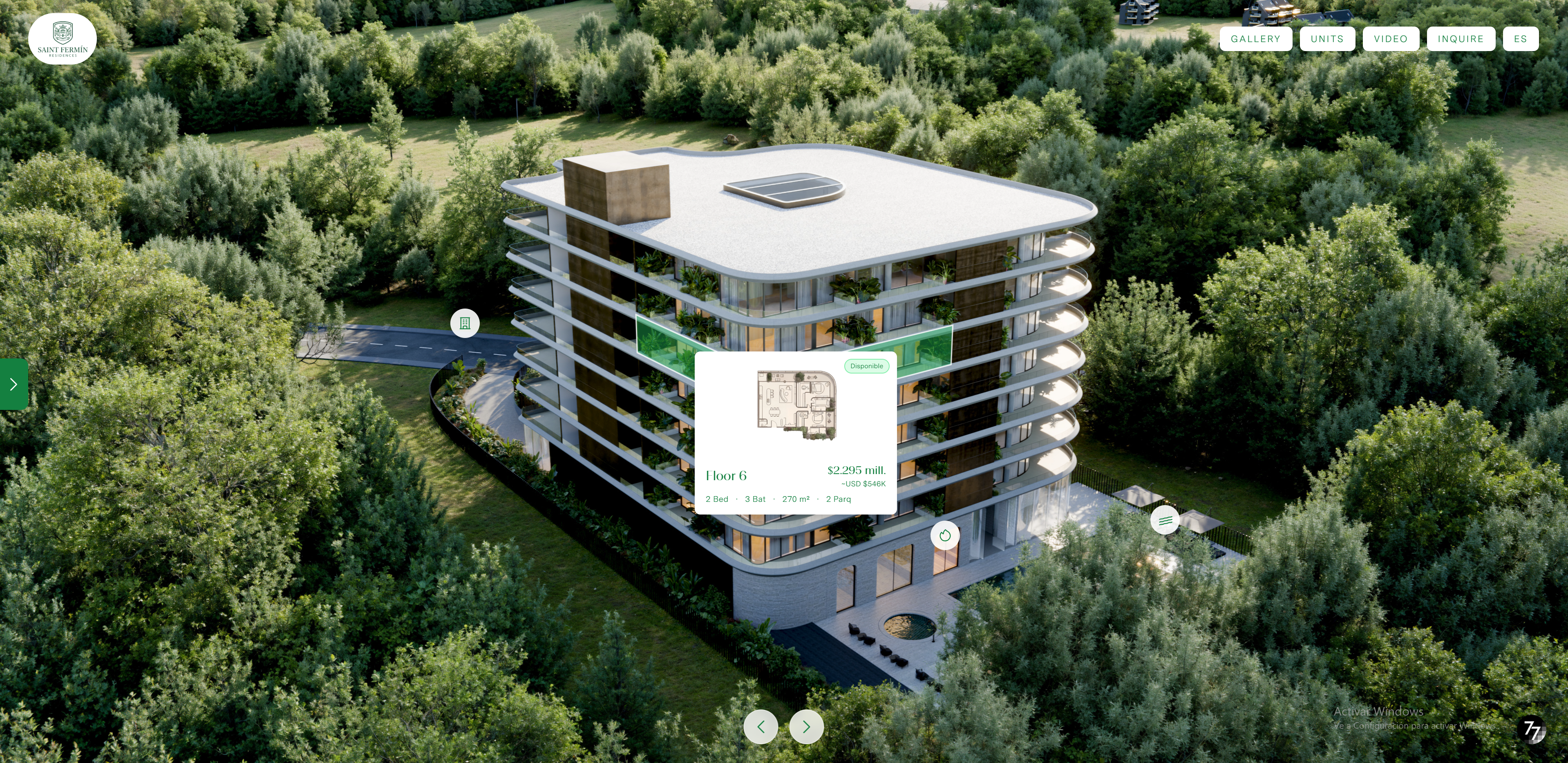
If most buyers start their search online, the sales gallery can't live only in one physical location. A digital showroom lets a buyer in another city or country explore the project, choose a unit and reserve without flying in.
Knight Frank's Wealth Report 2026 describes how mobile today's wealth is: buyers who live, work and invest across several countries. (Knight Frank, 2026) For them, the online experience is the first visit, and often the only one before signing.
07
Keep every image true to what will be built
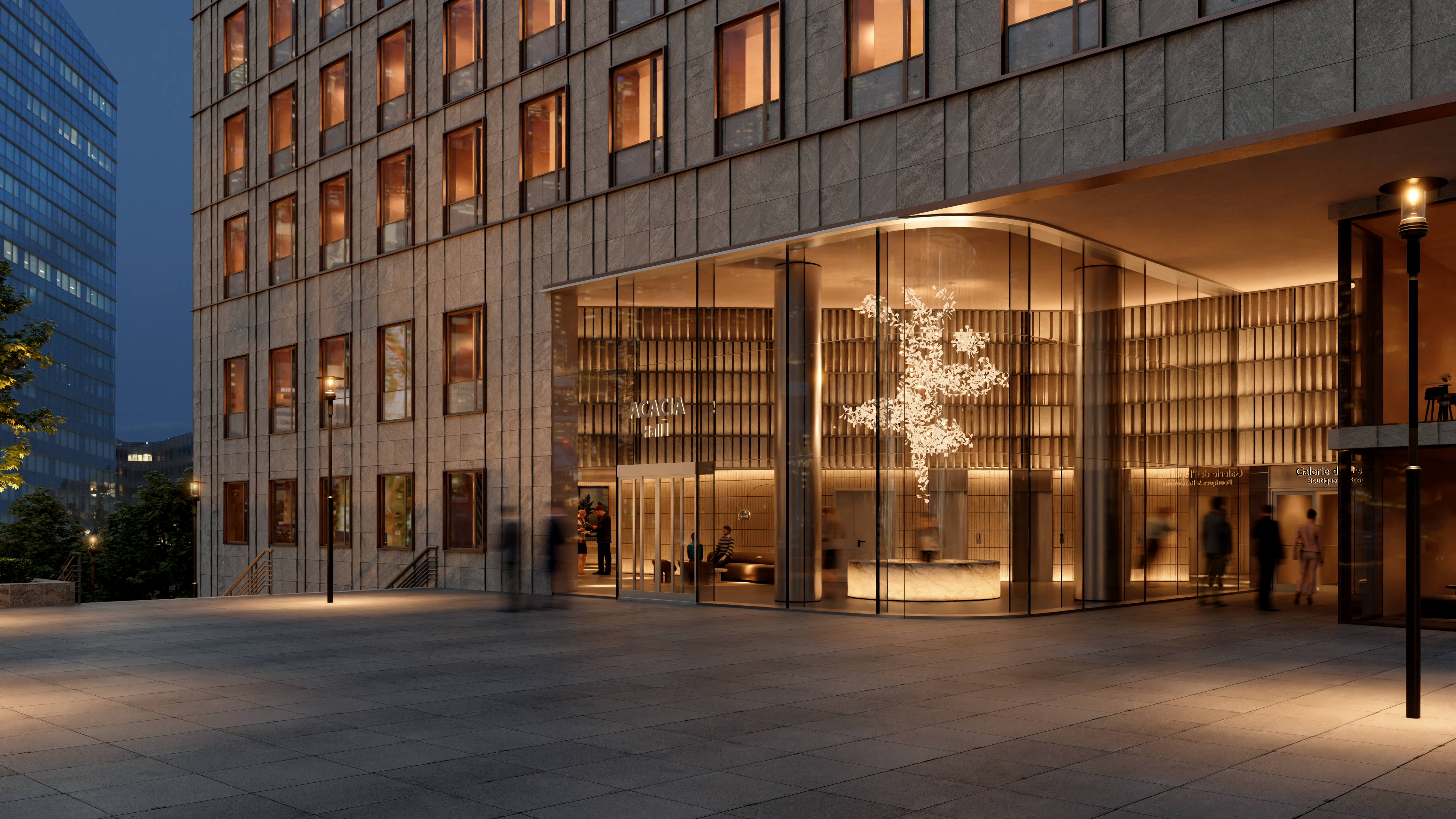
An off-plan buyer is trusting an image. A concept visual can explore an idea that is still evolving, but once a project goes to market, every material, view and detail has to match what will actually be delivered. Exaggeration may close one sale and cost the project its credibility.
Regulators are starting to draw the same line for existing homes. Since January 2026, California requires agents to disclose when listing photos have been digitally altered, from lights switched on to greener lawns, and to give buyers access to the original. (California AB 723, as reported by Inman, January 2026) AI can speed up and refine sales imagery, as long as every detail stays coherent with the design and with how the project will be built.
How fast can CGI make an off-plan project sell?
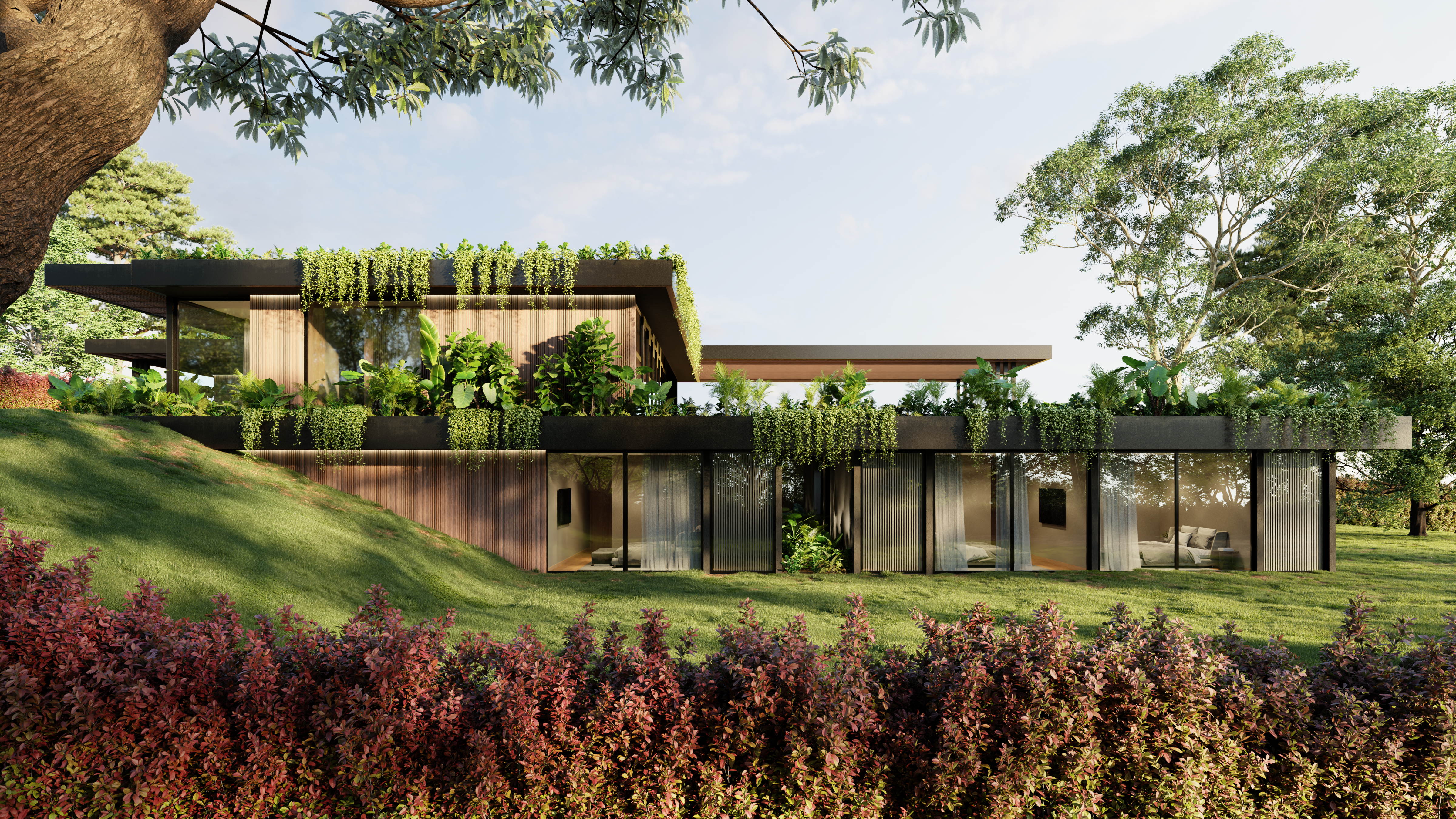
There is no universal number, and anyone who quotes one without context is guessing. What CGI changes is when a project can start selling, how many questions a buyer has left, and who can buy without visiting. Those are the levers behind speed.
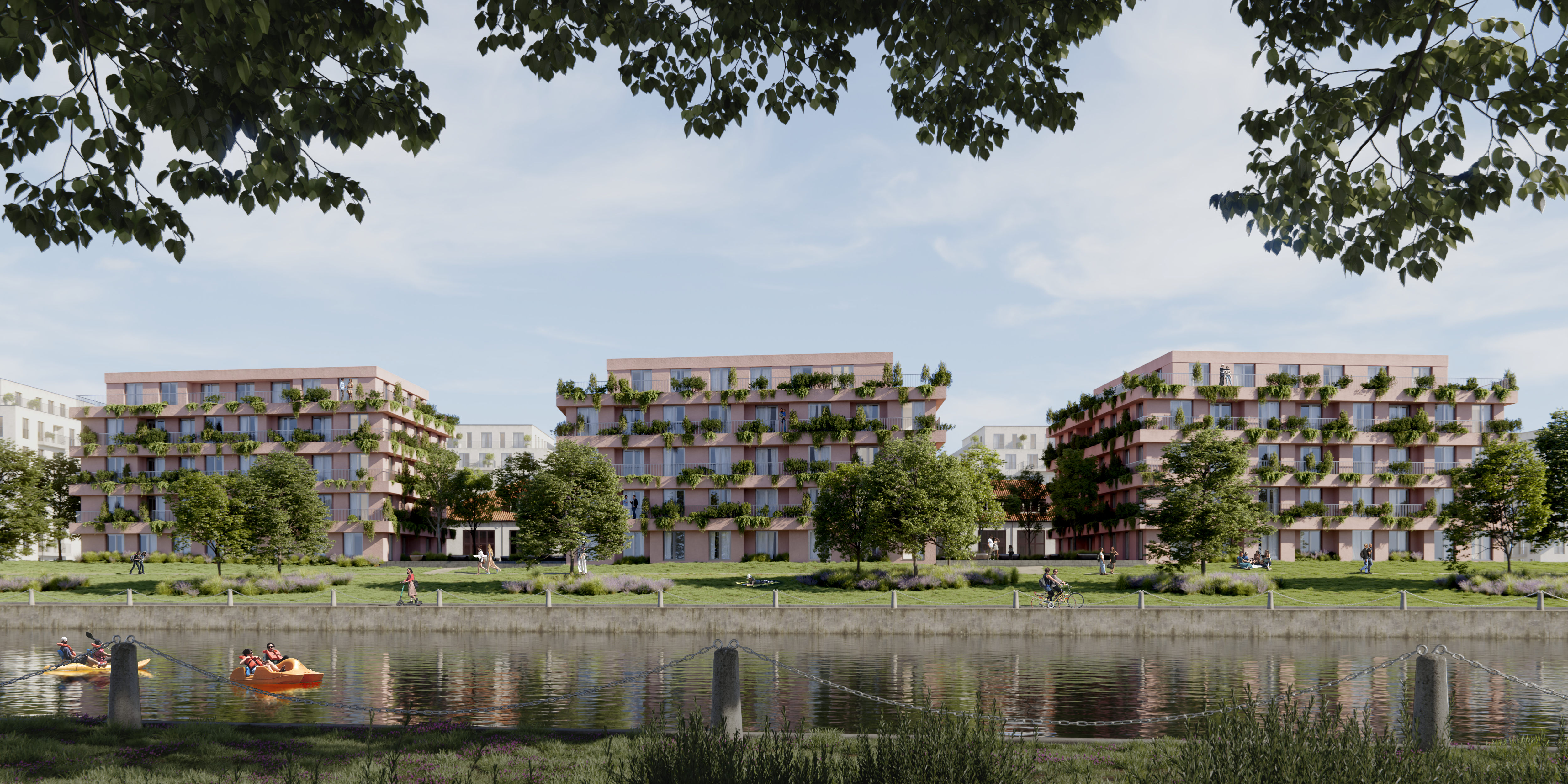
One example from our own work: Havelufer Quartier in Berlin, developed by PATRIZIA and KAURI CAB, reached 98% sold off-plan during the pandemic, when visits were limited. The visualization package represented about 0.014% of the project's value, and the developer reported a price uplift of around €2/m², attributed to the material quality shown.
For your own project, track time to presale target, reservations per month, the share of buyers who reserved without visiting, and cost of visualization as a share of project value.
Planning an off-plan launch?
77 is a full-stack visualization and PropTech studio for real estate. We create the imagery, films and digital showrooms that carry a project from first sketch to sales, so buyers can commit to a home before it exists.
→ Start a project with 77