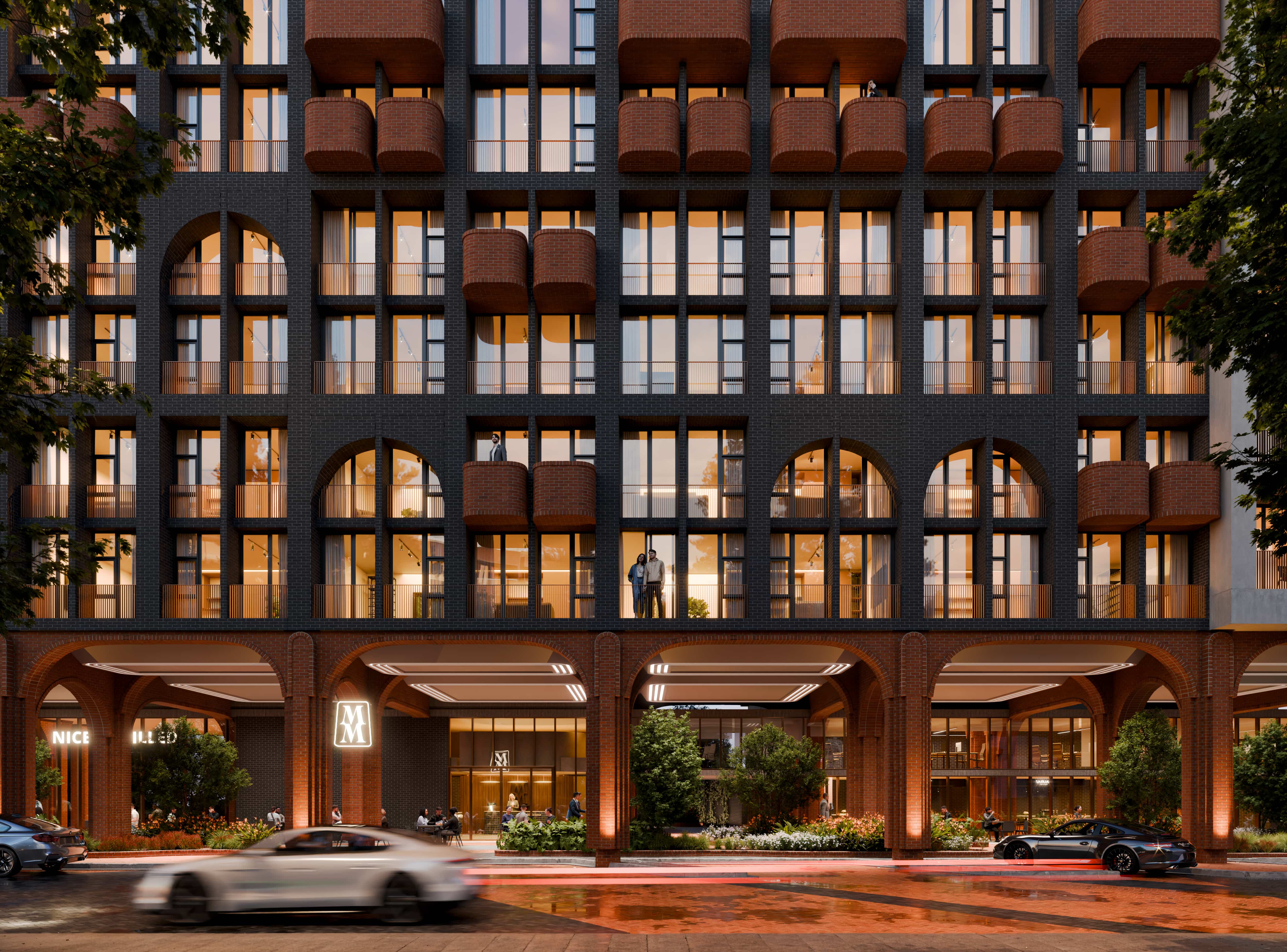
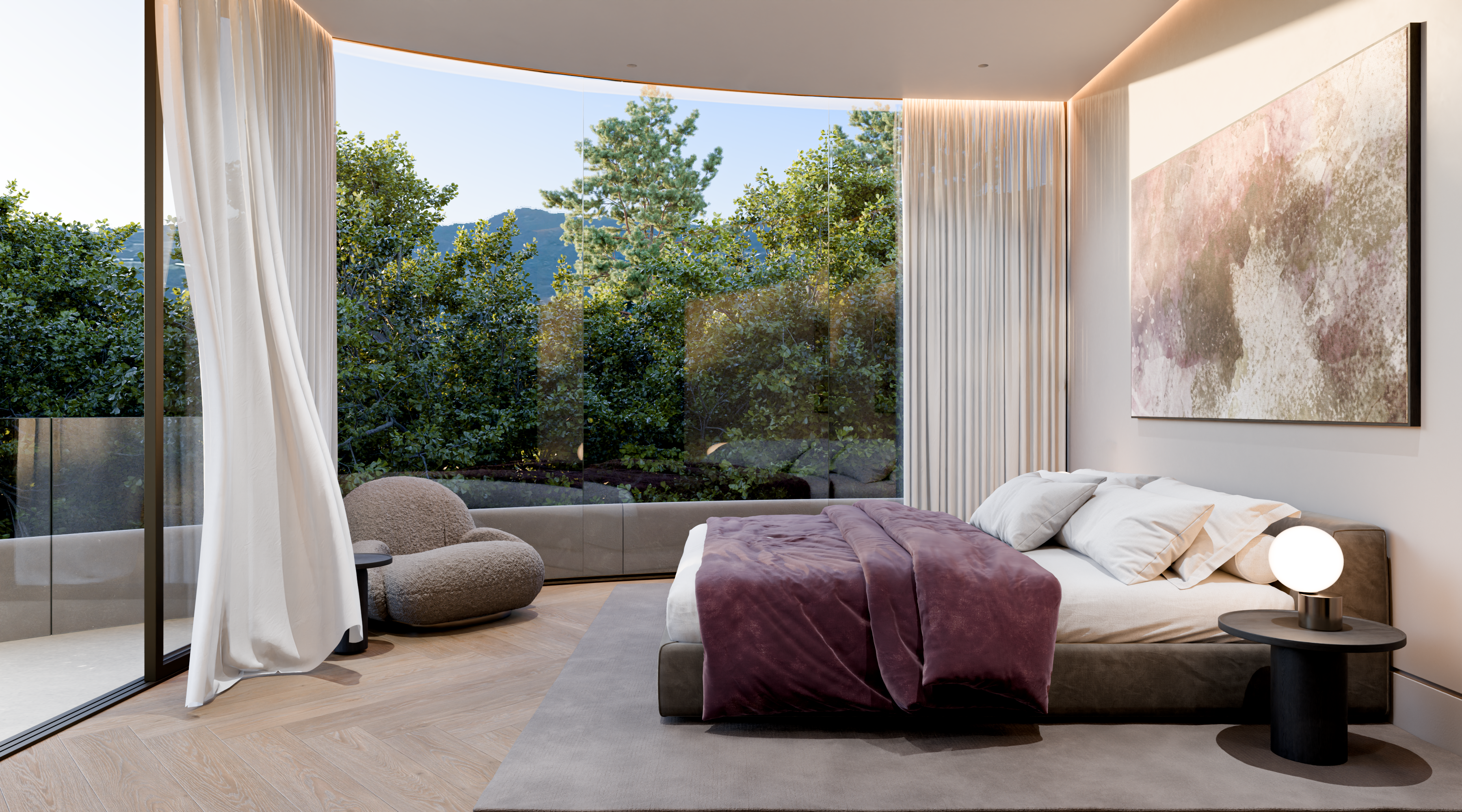
The luxury buyer has changed deciding in a different order, in different places, and on different terms. Here's the map of that behavior, and why visualization has become the engine of the sale rather than its decoration.
Do luxury buyers research online before contacting an agent?
Yes, overwhelmingly. Today's buyer builds a shortlist, tours virtually, and reaches an emotional verdict online long before making contact. By the time they reach out, the decision is largely made. The digital experience is the new first showing and the project that wins it wins the buyer.
In the National Association of Realtors' 2025 Profile of Home Buyers and Sellers, 52% of buyers found the home they purchased online, and online search was the single most common first step, chosen by 46%. (NAR, 2025) The typical search now runs about ten weeks, weeks the buyer spends forming opinions on screens, not in lobbies. For a developer, that means the website and the digital showroom carry the emotional weight a physical visit used to.
Can you sell luxury property to a buyer who never visits?
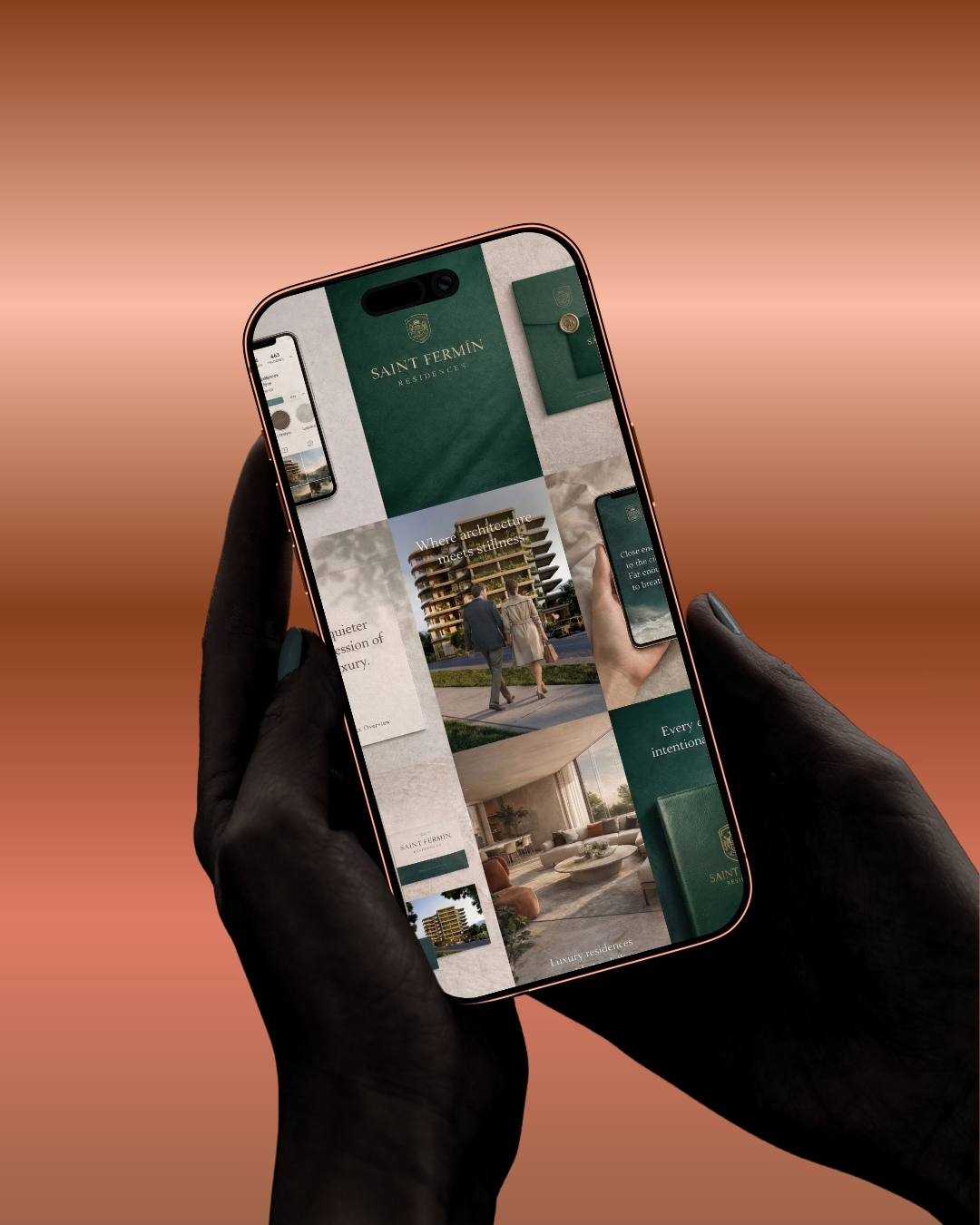
Increasingly, yes. Cross-border, time-poor luxury buyers now reserve and sometimes close sight-unseen, trusting immersive digital experiences to stand in for the flight. What makes it possible is visualization convincing enough to carry the certainty a buyer once needed to feel in person.
Knight Frank's Wealth Report 2026 describes the extraordinary mobility of today's wealth buyers who live, work and purchase across multiple countries. (Knight Frank, 2026) For them, an immersive tour isn't a bonus; it's the sale. And it filters as it sells: Matterport's research reports that listings with 3D tours generate roughly 49% more qualified leads and draw far more views, so the buyers who do reach out arrive already convinced. (Matterport
Do buyers decide with emotion or logic?
Emotion first, logic second. Buyers fall for a space, then assemble the rational case location, ROI, finishes to justify what they already feel. High-end visuals win because they create the emotion; the spec sheet only closes what the image has already sold.
There are two modes to design for. Clarity buyers want proof plans, materials, numbers. Desire buyers want the dream light, atmosphere, a life they can picture themselves inside. The best marketing serves both in one experience. It's telling that immersive listings hold attention five to ten times longer than static photos (Matterport) time on the page is emotion forming in real time.
What do younger luxury buyers want?
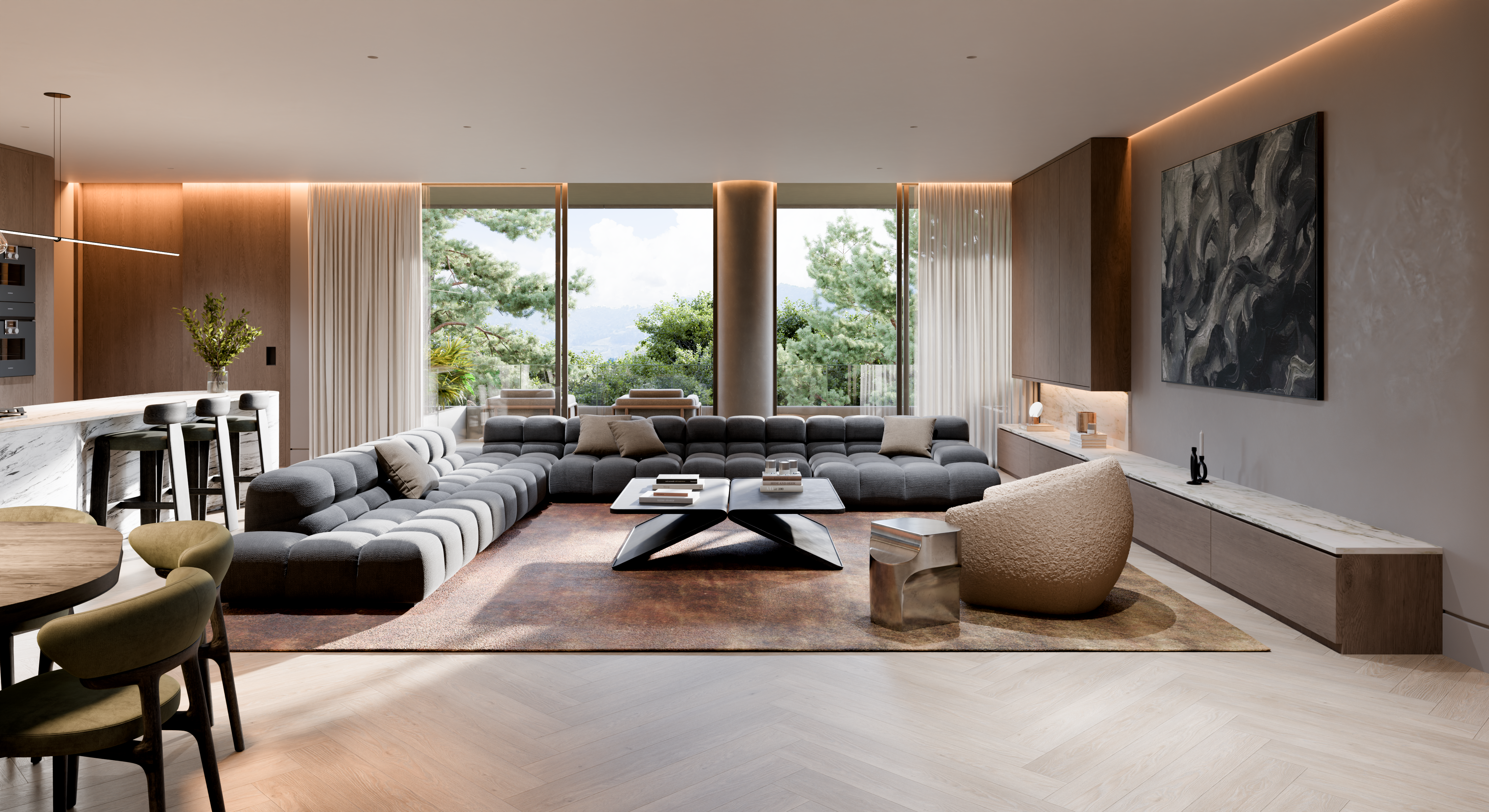
Identity, experience and technology not just square meters. The rising luxury buyer purchases a lifestyle and a brand, expects a seamless digital journey, and treats wellness and sustainability as real value. The development marketed as a life, not a floorplan, wins them.
This matters now because of scale. The Coldwell Banker Global Luxury 2026 Trend Report projects that Gen X and Millennials will inherit $4.6 trillion in global real estate wealth over the next decade, and finds them reframing luxury around identity, well-being and long-term value. (Coldwell Banker Global Luxury, 2026) For these buyers, a development's brand and digital experience aren't cosmetic they're part of the product.
Who actually decides in a luxury purchase?
Rarely one person. A couple, often a family, and an advisor all weigh in each for different reasons. Content has to convince them all at once: the dreamer, the pragmatist, and the professional protecting the client. One experience, several audiences.
Even as the journey goes digital, trusted human guidance still matters NAR found real estate agents remain buyers' most valued information source. (NAR, 2025) So the visuals do double duty: they give the dreamer the feeling, the pragmatist the proof, and the advisor something credible enough to stake their reputation on.
How decisive are quality visuals today?
Decisive. Immersive, high-quality media holds attention longer, converts better, and is what the AI-era buyer expects by default. A forgettable render doesn't just underperform it removes the project from the shortlist before a single conversation starts.
Matterport's research found listings with 3D tours sold up to 31% faster and for up to 9% more than comparable listings without them. (Matterport) In the attention economy, visual quality is the first filter, not the finishing touch the difference between a project a buyer scrolls past and one they can't stop thinking about.
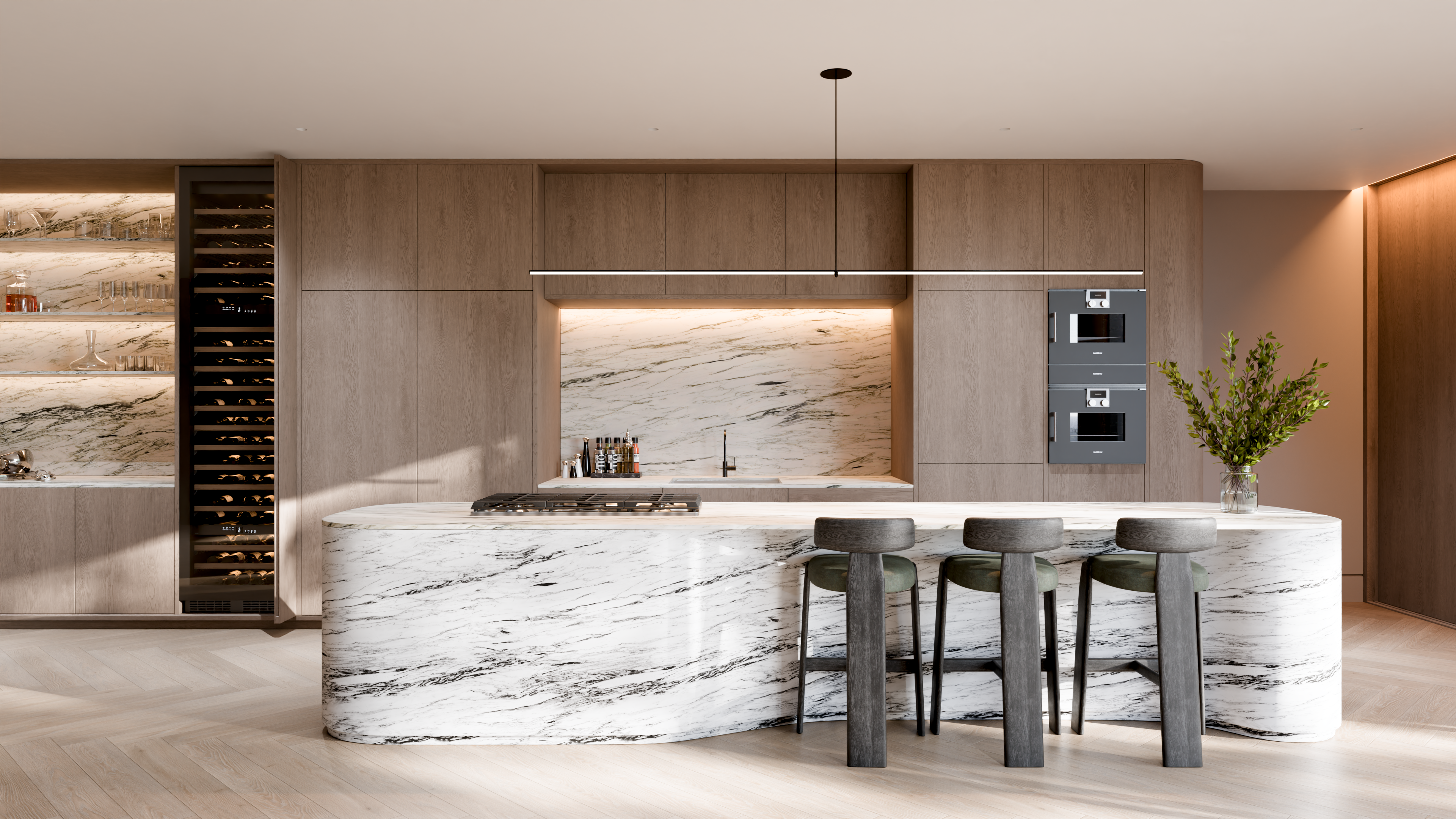
77 builds the visualization, digital showrooms and branding that turn this behavior into closed sales, from first render to closed deal.
Sources
National Association of Realtors — 2025 Profile of Home Buyers and Sellers
Matterport — research on 3D virtual tours and sales performance
Knight Frank — The Wealth Report 2026
Coldwell Banker Global Luxury — 2026 Trend Report