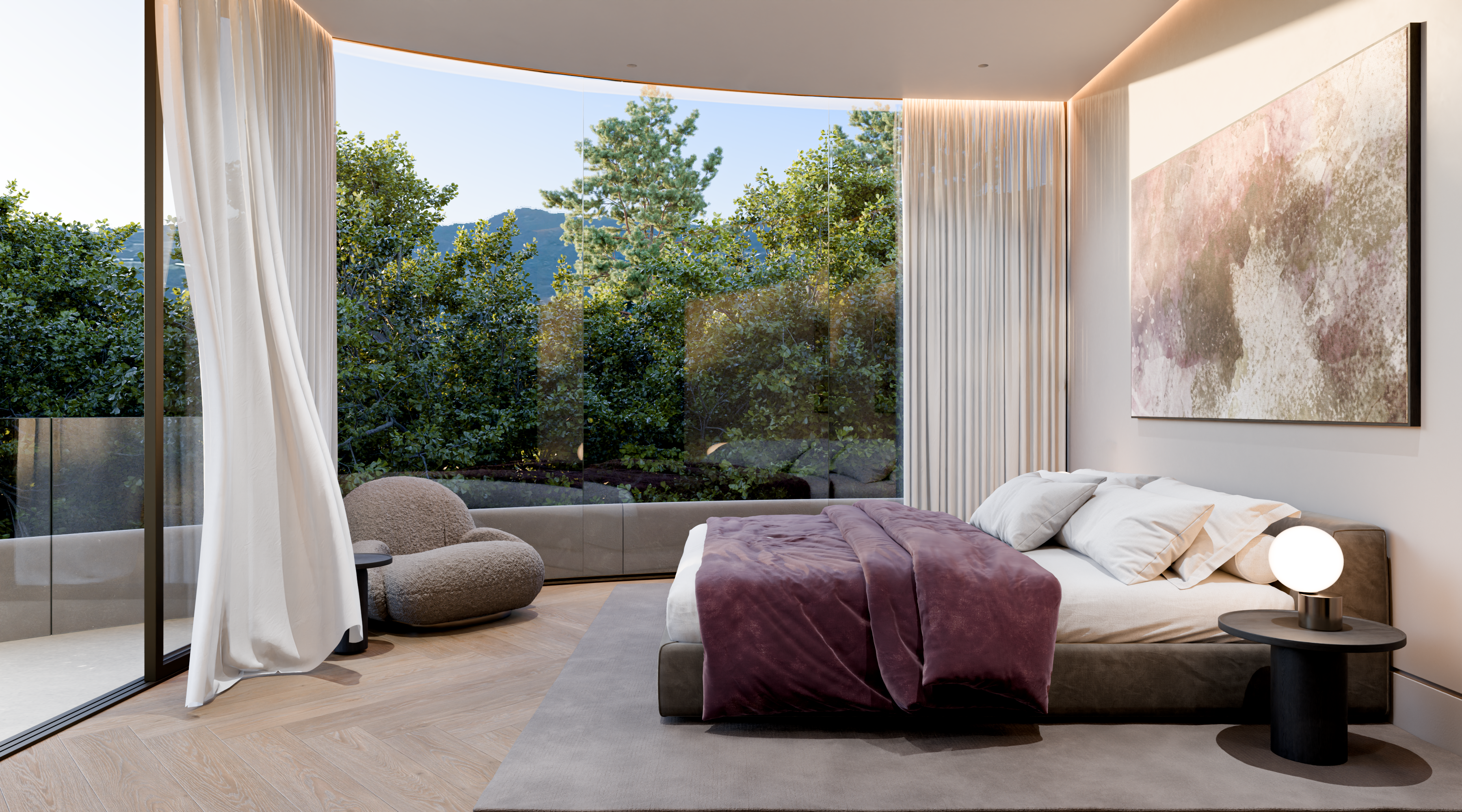
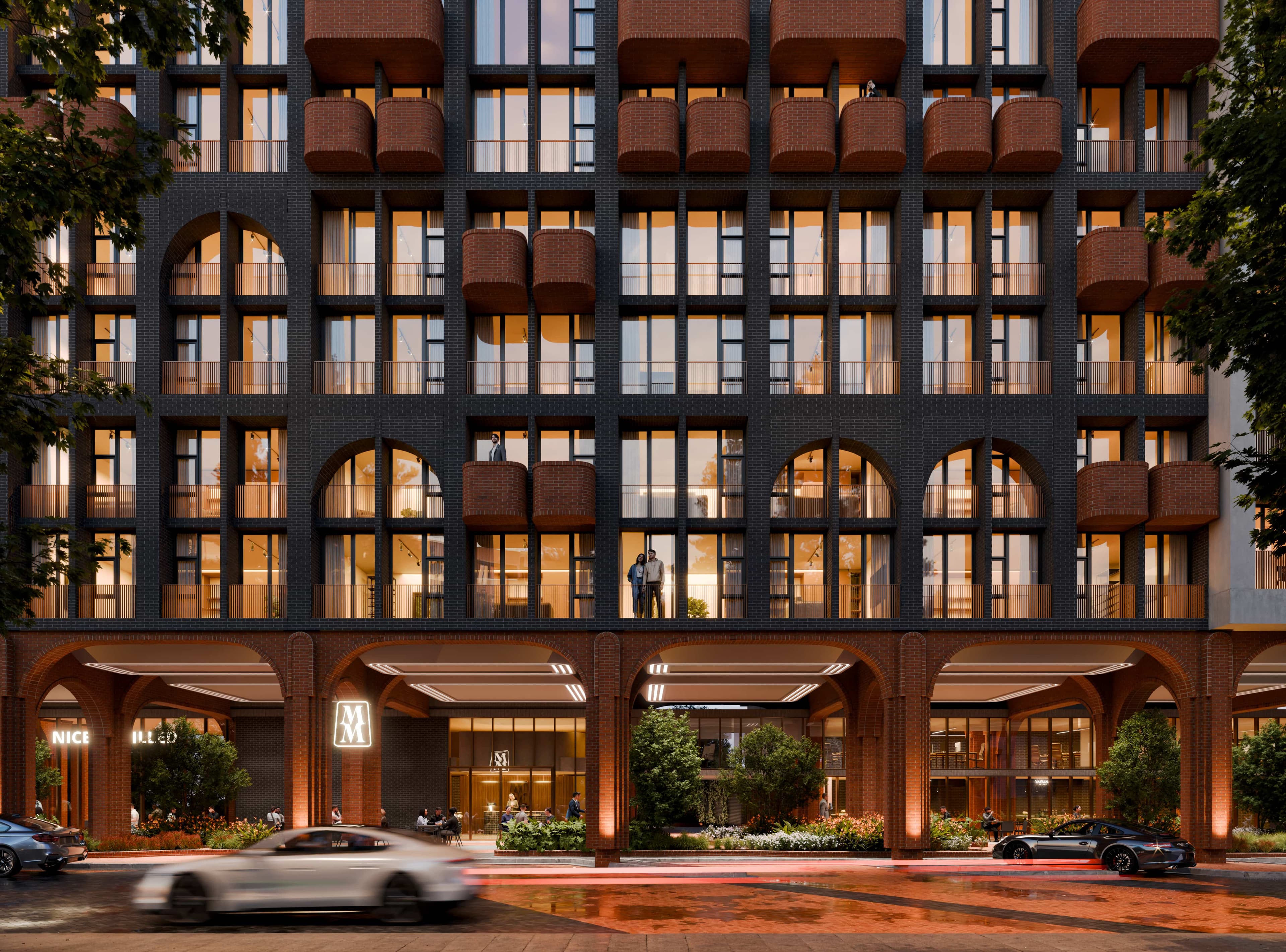
How present are younger generations in today's market?
Still a minority of buyers, but the generation that will shape demand for the next decade. They arrive later than their parents did, most of them buying for the first time, and with a historic transfer of wealth still ahead of them.
They start later everywhere. In the European Union, young people left their parents' home at an average age of 26.3 in 2025, ranging from 21.4 in Finland to 31.5 in Croatia, with later departures in countries where youth employment is lower. (Eurostat, September 2026)
In the United States, Gen Z made up 4% of buyers, younger Millennials (27 to 35) 11% and older Millennials (36 to 45) 15%. Among Gen Z and younger Millennials, 55% and 60% were first-time buyers. (NAR Generational Trends 2026, US buyers, July 2024 to June 2025)
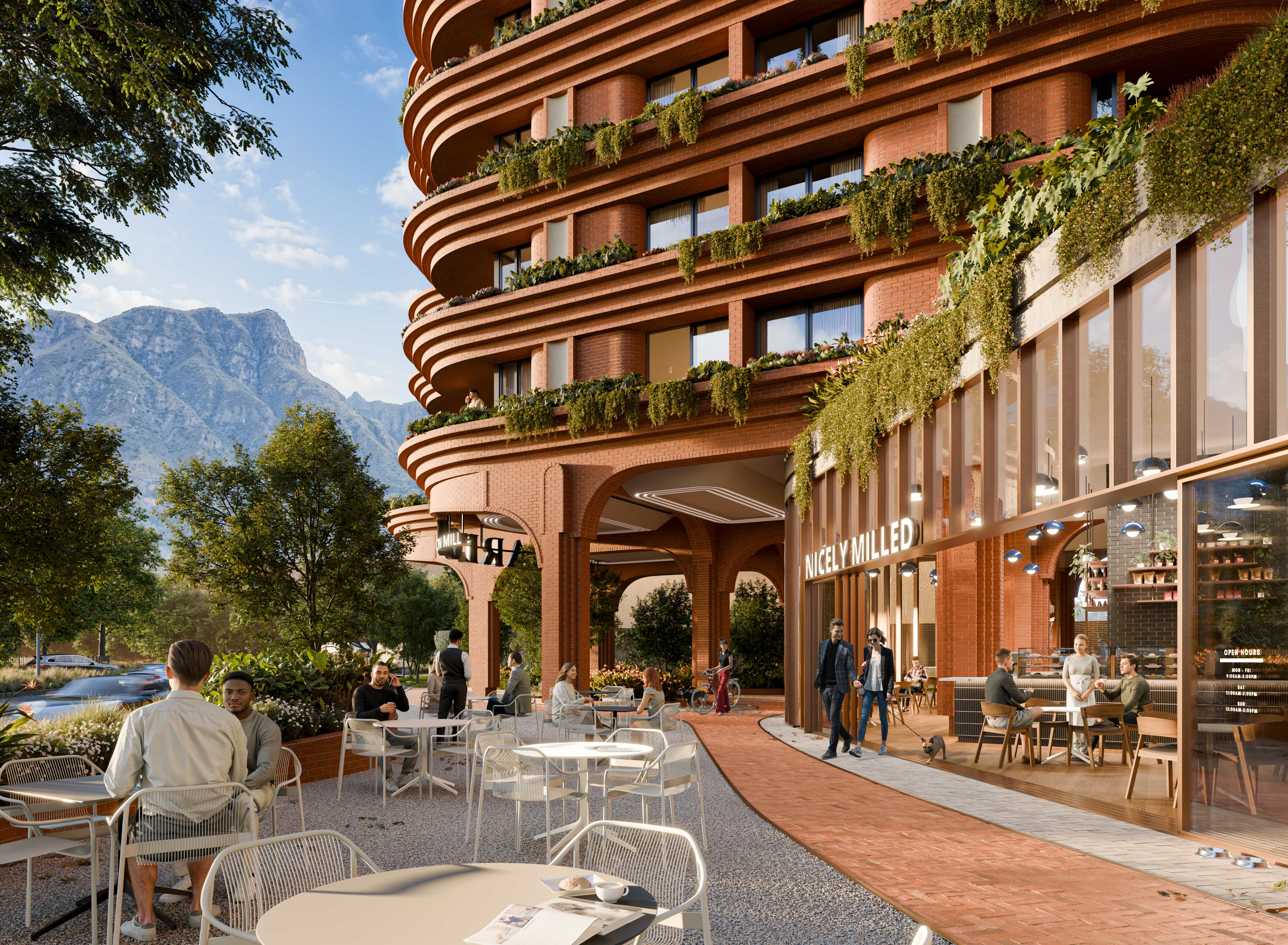
The capital behind them is still on its way. The Coldwell Banker Global Luxury 2026 Trend Report estimates that Gen X and Millennials will inherit $4.6 trillion in real estate wealth worldwide over the next ten years. At the top end of the market the shift is already visible: in Sotheby's International Realty's 2026 Mid-Year Luxury Outlook, 66% of the professionals surveyed reported more Millennial buyers over the previous year. (Coldwell Banker Global Luxury, January 2026 · Sotheby's International Realty, June 2026)
What do they look at first?
The neighbourhood before the home. Younger buyers are choosing a daily life: where they'll work, walk, rest and spend their time. The unit matters, but the place around it decides whether it makes the shortlist.
For younger Millennials in the US, the top factors in choosing where to buy were quality of the neighbourhood (66%), convenience to work (57%) and overall affordability (51%). (NAR Generational Trends 2026)
A project that only shows its façade leaves out the very thing this buyer is evaluating. Light, streets, green space, distances and the rhythm of the area are part of the product.
Do they buy for life, or for a stage of life?
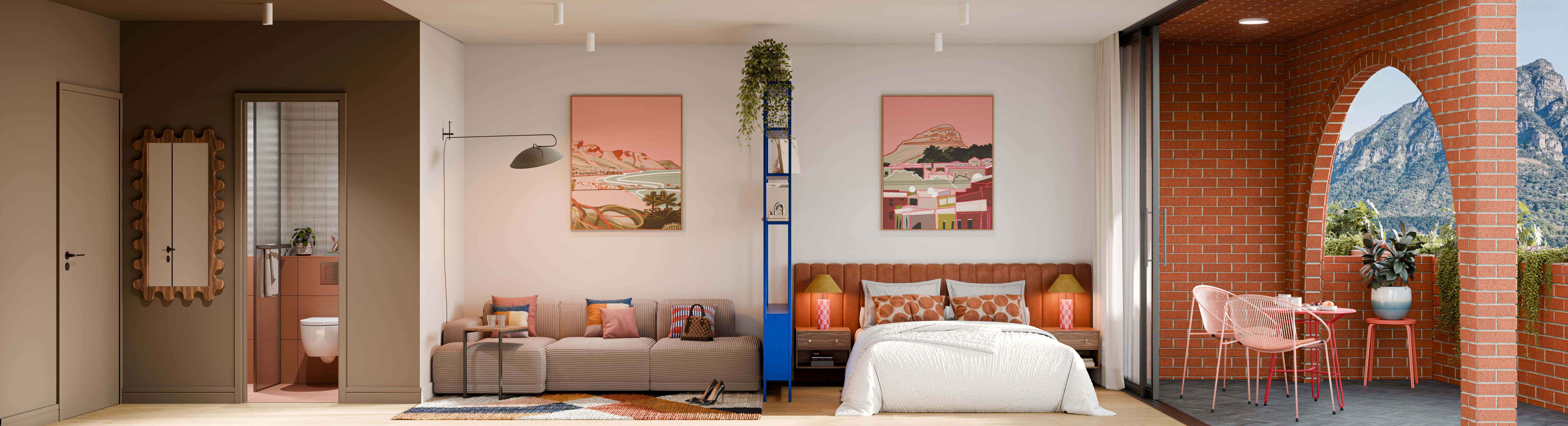
For a stage. Younger buyers expect to move on, so they evaluate a home the way an investor would: will it fit their life now, and will it hold its value when they sell?
In the NAR data, Gen Z and younger Millennials expected to stay in their home a median of 10 years, half the 20 years expected by older Millennials. (NAR Generational Trends 2026) Resale value, rental potential and the long-term outlook of the area become part of the decision from day one.
The same logic is reshaping the market at every price point. Christie's International Real Estate describes buyers as "approaching property less as a status symbol and more as an asset tied to lifestyle, identity and long-term wealth." (Christie's International Real Estate, 2026 global luxury report)
How do they search and decide?
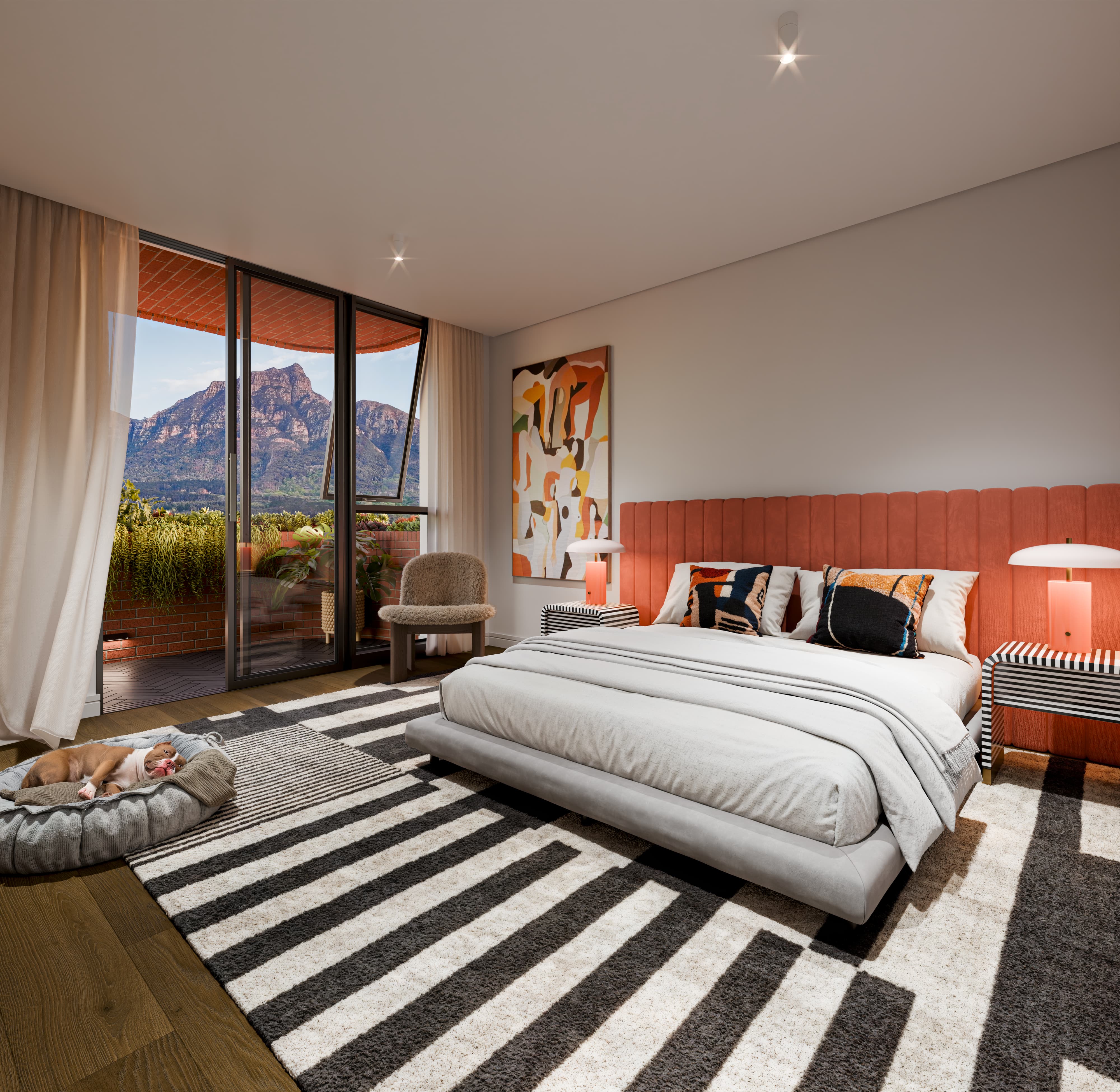
Online, on a phone, and visual first. They build a shortlist on screens, judge a property by its images and plans, and expect to reach the people behind it on their own terms.
In the US, 61% of younger Millennials found the home they bought online, and 81% used a phone or tablet in their search. Photos were rated very useful by 82% of them, and floor plans by 61%. (NAR Generational Trends 2026)
How they choose who to work with is changing too. Zillow's 2025 Consumer Housing Trends Report (more than 5,000 US buyers, March to July 2024) found that 51% of Millennials were more likely to hire an agent who is active on social media, compared with 18% of Baby Boomer and Silent Generation buyers, and that 71% of Gen Z preferred written communication over phone calls. (Zillow, 2025)
Are they open to buying new?
Yes, and slightly more than the average buyer. A new home lets them buy into a neighbourhood that is still forming, at an earlier price, with the finishes they would choose anyway.
14% of Gen Z buyers in the US purchased a new home, compared with 12% of all buyers. (NAR, 2025 Profile and 2026 Generational Trends) For them, buying new often means buying off-plan, which puts even more weight on what the project can show before it exists. We go deeper into this in our next series, on selling off-plan.

What does this mean for developers?
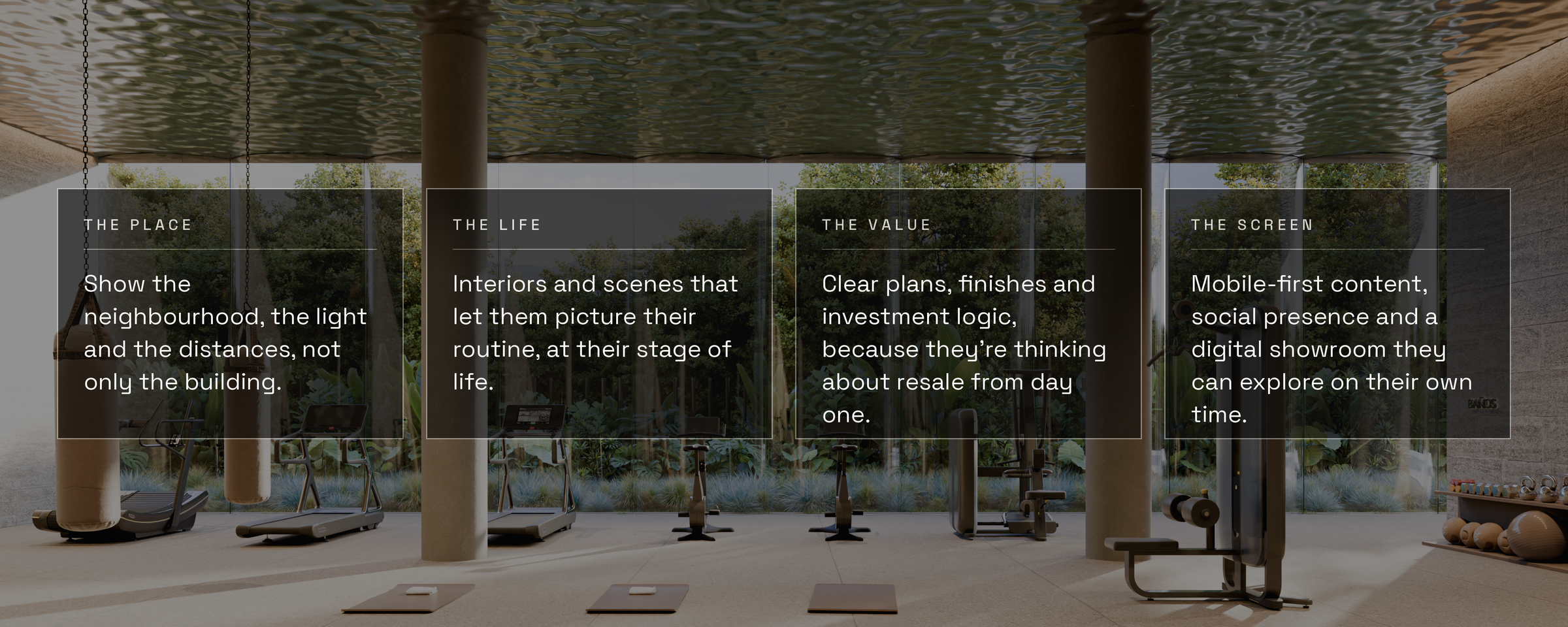
Show the life, prove the value, and be where they search. Younger buyers decide on neighbourhood, stage of life and long-term worth, mostly from a phone. The way a project is presented has to answer all three.
Marketing to the next generation of buyers?
77 is a full-stack visualization and PropTech studio for real estate. We create the imagery, films, branding and digital showrooms that show how a project is lived, so buyers can choose it from anywhere.
→ Start a project with 77