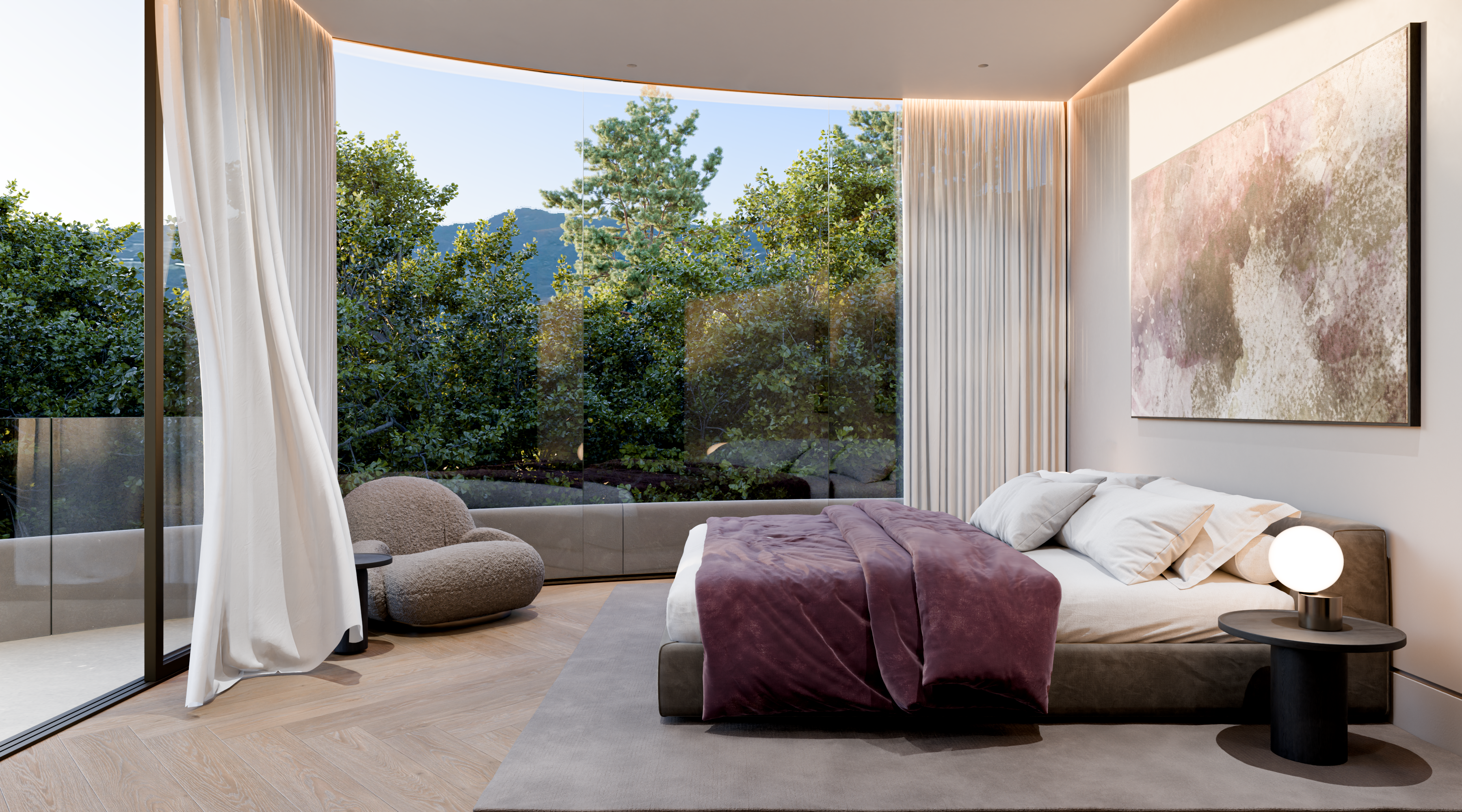
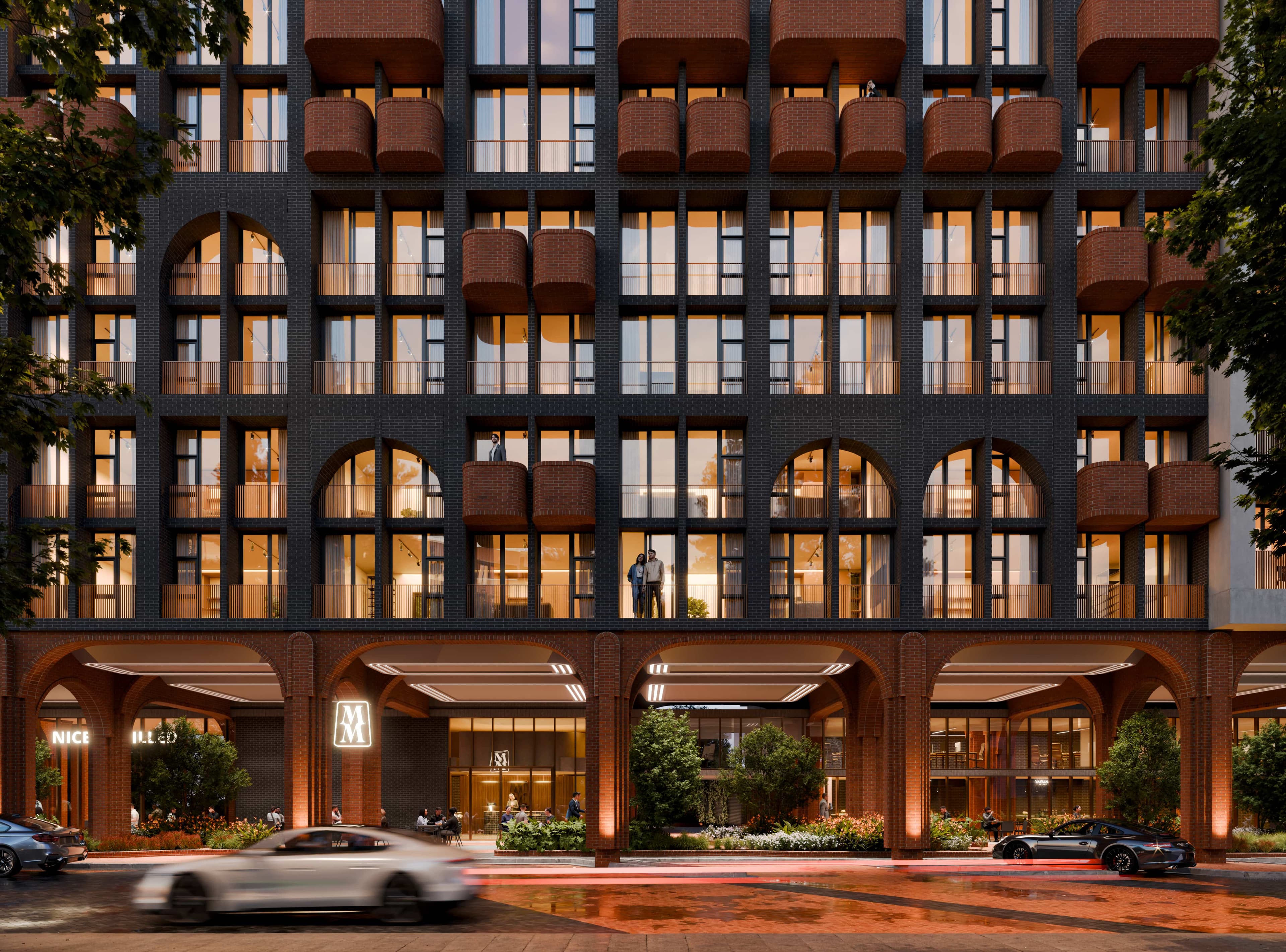
Emotion decides first; logic confirms after. Buyers fall for a home, then build the rational case: price, location, finishes, return, to justify what they already feel. Most real estate agents say emotion outweighs logic in the process, and a quarter of buyers become attached to a home in a single showing or before seeing it in person. The sales experience has to win both moments.
What is the industry seeing worldwide?
A clear shift toward lifestyle-driven decisions. The advisors closing the world's highest-value residential deals report that how buyers want to live now ranks above financial and political factors when they choose a home.
In Sotheby's International Realty's 2026 Mid-Year Luxury Outlook, based on a survey of its affiliated advisors worldwide who specialize in $10M+ transactions, 62% cited lifestyle as an increasingly important factor for homebuyers ranking above taxes (60%), economic stability (53%) and political stability (49%). The brand's chief marketing officer, Bradley Nelson, summed it up: buyers are "investing in how they want to live and age." (Sotheby's International Realty, 2026 · global survey of luxury advisors)
Knight Frank's 2026 Wealth Report points the same way: a combination of tax pressure, frictionless technology and shifting lifestyles is reshaping where the world's wealthy live, invest and buy luxury homes. (Knight Frank, The Wealth Report 2026 · global) Lifestyle isn't a soft extra in the decision anymore. It's increasingly the reason for it.
What does this look like in real buyers?
Buyers themselves confirm it. In the United States, for example, NerdWallet's annual home buyer survey, conducted by The Harris Poll among 2,094 U.S. adults in November 2025, 44% of homeowners said buying their current home was more of an emotional decision than a financial one. (NerdWallet / The Harris Poll, 2026 · United States)
That's nearly half of owners openly describing one of the largest financial decisions of their lives as emotiona, the buyer-side mirror of what luxury advisors are seeing across markets.
When does the emotional connection form?
At first sight and today, first sight usually happens on a screen. As one example, behavioral data from the largest U.S. real estate portal shows that the details which create an emotional response drive measurably more attention the moment buyers see a listing, and that attention turns into faster sales at better prices.
Zillow's Buzz Index, which analyzed more than 600 home features across a platform with an average of 235 million monthly users, found that character details lift daily buyer engagement by up to 20%, and lifestyle amenities like a saltwater pool or an outdoor shower bring in 11% more saves per day. Zillow's research also shows that homes crossing a threshold of daily views and saves tend to go pending faster and are more likely to sell above list price. (Zillow Buzz Index, April 2026 · United States)
For developers, the implication is direct: the images, films and interactive experiences a buyer meets first aren't marketing support they're where the feeling, and much of the decision, is formed.
Where does logic come in?
After the feeling, as justification and as protection against regret. Once buyers are emotionally committed, they look for proof the decision is sound: plans, specifications, availability, pricing, delivery dates. When that proof is missing, the emotion that closed the deal can turn against it.
The same NerdWallet / Harris Poll survey found that 21% of U.S. homeowners regret buying their current home, and 62% say owning it has been much more expensive than they expected. (NerdWallet / The Harris Poll, 2026 · United States) Logic doesn't start the sale, but clear, credible information is what keeps a confident buyer confident through signing and beyond.
Two buyers inside every buyer
At 77 we think of it as two modes that coexist in the same person, and often in the same household:
The desire buyer: wants to feel the life: light, atmosphere, views, the way a space makes them feel at 7 p.m. on a Sunday.
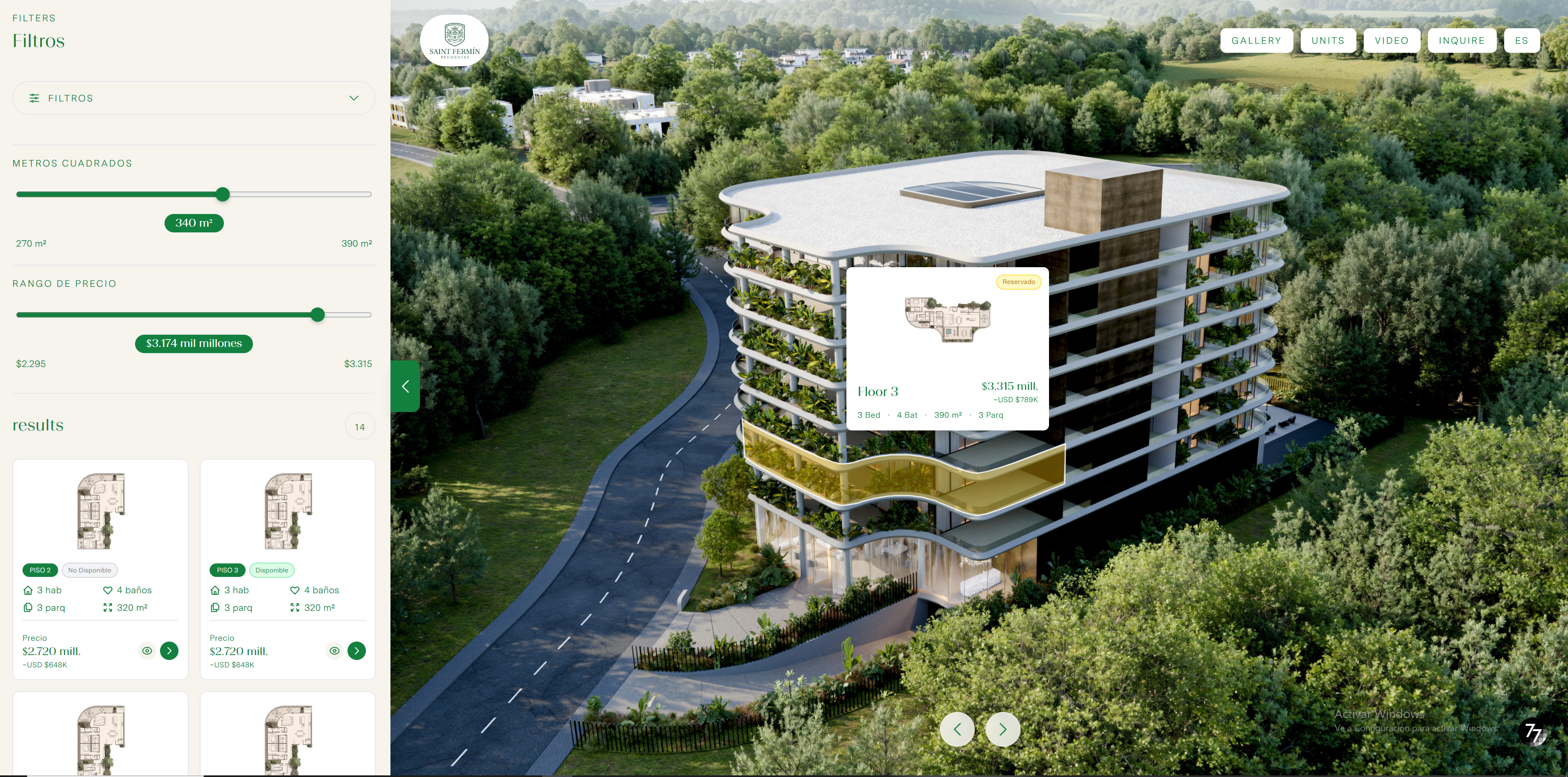
The clarity buyer: wants to trust the decision: floor plans, square meters, materials, real-time availability, numbers.
Great sales experiences don't pick one. They lead with desire and make clarity effortless to find so the same presentation that creates the feeling also answers the questions that follow it.
What does this mean for developers?
Design the sales experience in the same order the buyer decides: emotion first, proof close behind, both in one place. Atmospheric visuals create the attachment; accessible, credible detail sustains it through the signature.
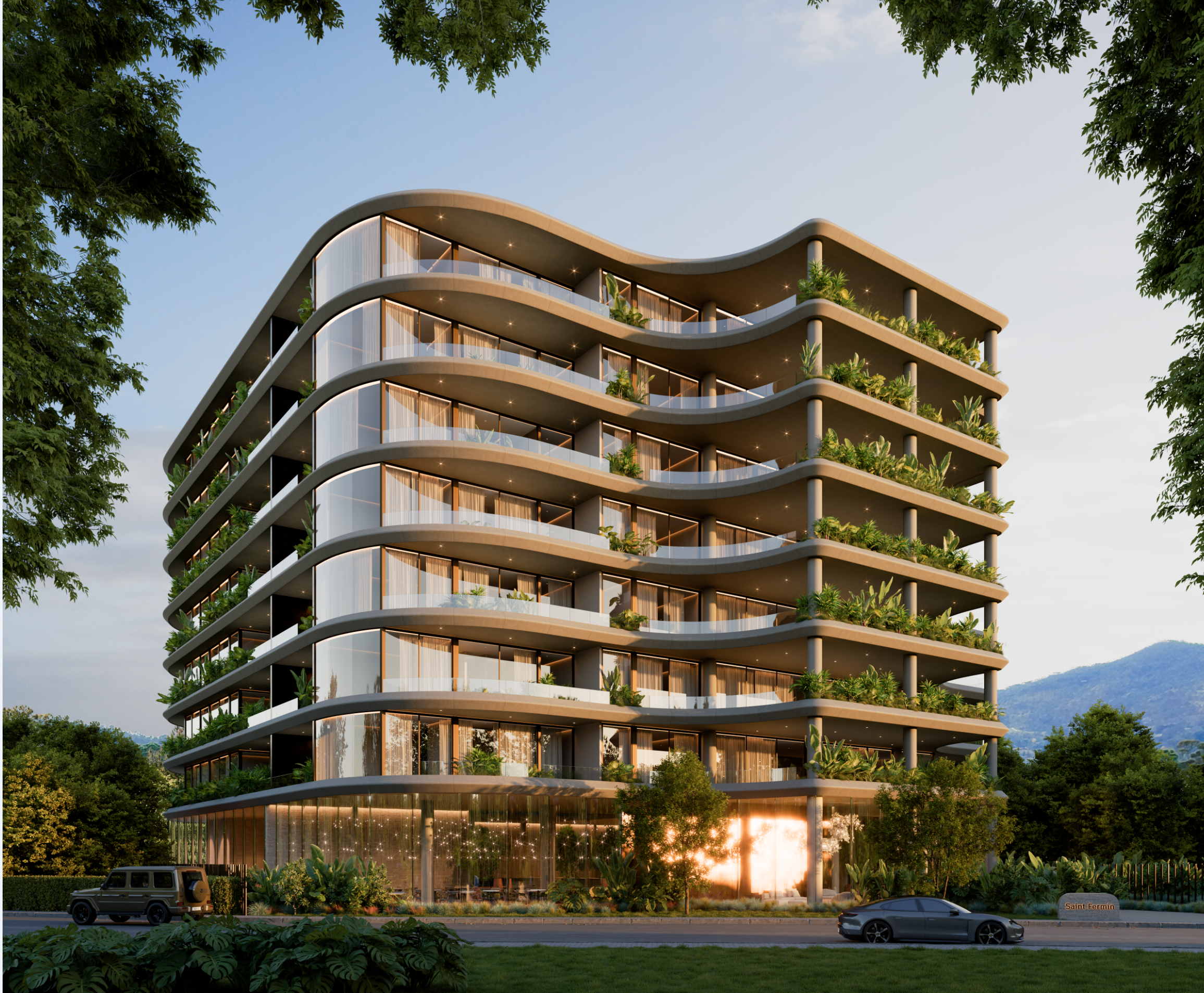
In practice: cinematic, photoreal imagery that sells the lifestyle, not just the floorplan; materials rendered with enough realism that buyers can trust what's delivered; and an interactive layer units, plans, availability, pricing, one click away from the image that made them fall in love. Visual quality also shows up in the numbers: on Havelufer Quartier in Berlin, a mixed-use development 77 visualized, the developer reported a +€2/m² price uplift attributed to the material quality shown in the imagery. (Figure reported by the developer · Berlin, Germany)
Buyers fall in love first. We make sure it's with your project.
77 is a full-stack visualization and PropTech studio for real estate. We create the photoreal imagery, cinematic films and interactive showrooms that spark the emotional decision and keep the proof one click away, so the feeling turns into a signed deal.
From the first render to the closed deal.